Tool warranties are usually agreed late, in one sentence, in an email that nobody reads again until the first claim arrives. By then the cost is already fixed: the importer pays for the replacement, the freight, and the customer's lost confidence, because the supplier's warranty did not cover the case that actually happened. This is what to settle before the first container.
Decide what the warranty covers before deciding how long it lasts
Duration is the number everyone negotiates and the least important part of the term sheet. Coverage is what determines cost. A twelve-month warranty that excludes batteries and wear parts is a very different liability from a twelve-month warranty that includes them, and both are frequently described as twelve months.
- The tool body and motor, which is the part most warranties are really about.
- Batteries and chargers. These are the highest failure rate components and the most commonly excluded. If they are covered, the term and the cycle-count threshold must be stated.
- Wear parts: carbon brushes, blades, chucks, cords, switches. Usually excluded, and that is reasonable, provided the exclusion is written down and matches what the market expects.
- Consumables and accessories supplied in the box, which should be excluded explicitly rather than by omission.
- Damage from misuse, water ingress, overloading, or use outside the rated duty cycle, which every warranty excludes and every claim disputes.
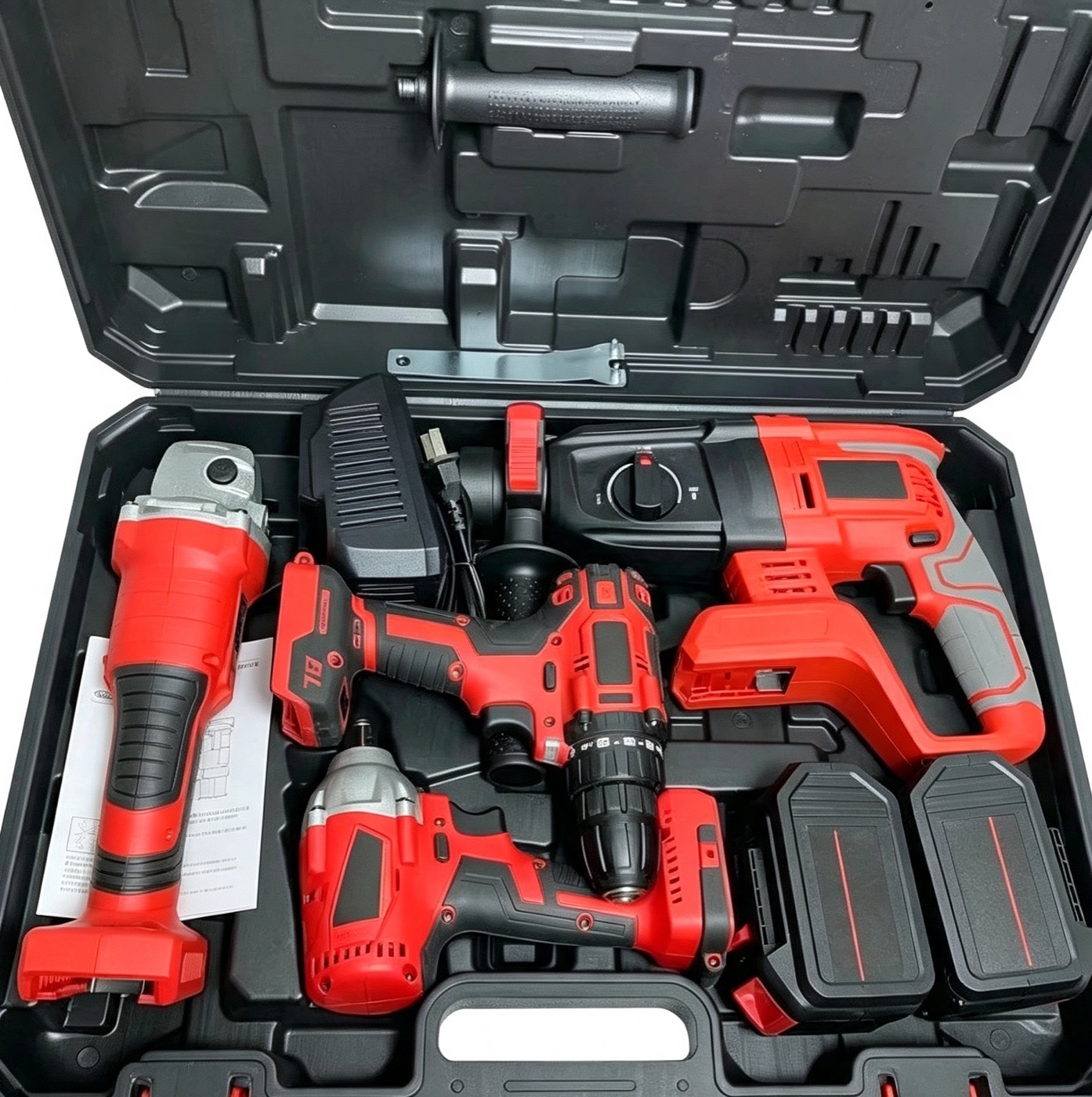
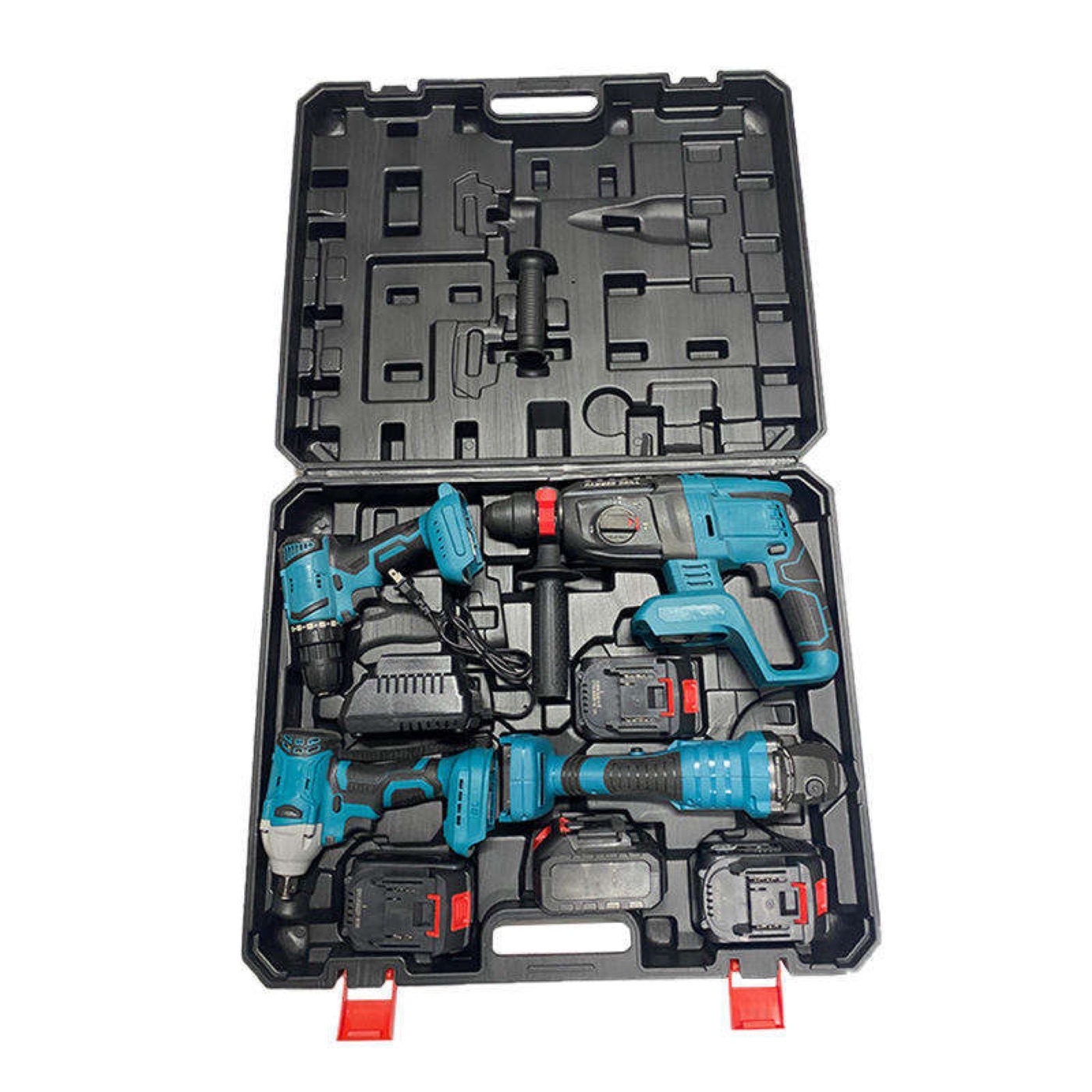
For a cordless combo kit quoted at US$25-85 per set, the battery is a substantial share of the landed cost, so a warranty that silently excludes it is worth much less than its headline term suggests. The same applies to a 21V hammer at US$82-86 per set: the replacement cost of one unit can exceed the margin on several.
A warranty with an unstated freight rule is not a warranty. It is an argument waiting for its first claim.
The four numbers that decide the real cost
Beyond coverage and duration, four commercial terms set your exposure. Most importers settle one of them and leave the other three to chance.
- Claim rate assumption. Agree a percentage of shipment value held as a warranty reserve, and review it after two shipments once you have real data.
- Replacement versus repair. A supplier who ships replacement parts is cheaper than one who ships whole units, and much cheaper than one who expects you to return the faulty unit first.
- Who pays freight. Inbound return freight on a failed tool frequently exceeds the value of the parts. Settle whether defective units are returned, scrapped with photo evidence, or credited.
- Claim window and response time. A window measured from shipment date is not the same as one measured from the date the goods reach your warehouse, and the difference can be six weeks.
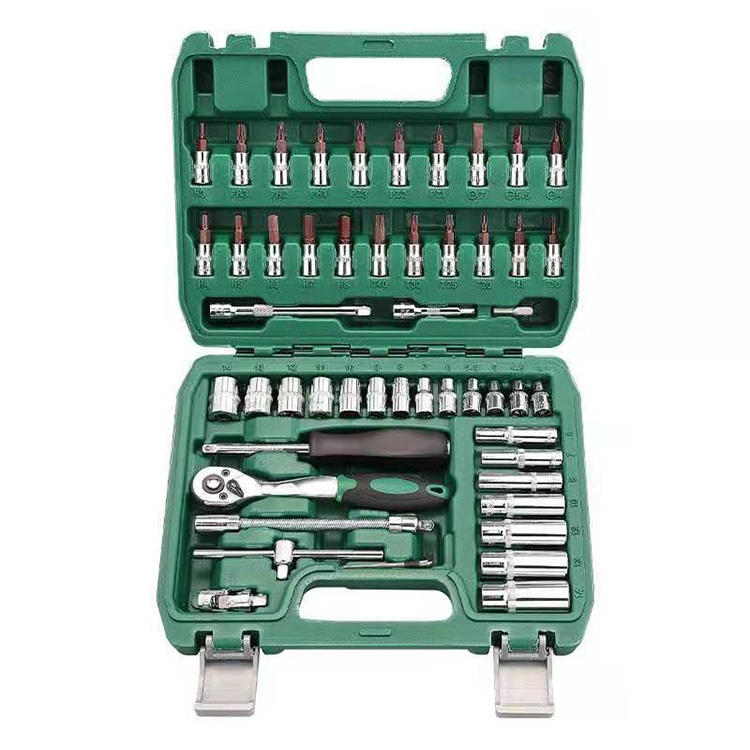
On a low-value item the arithmetic changes. A hardware and bicycle tool set at US$6.50-7.80 per set cannot support a return-freight process, so the only workable model is credit or replacement on photo evidence, with the faulty unit scrapped locally. Writing that into the agreement is what stops a five-dollar claim from costing thirty dollars to administer.
How claims should be evidenced
Disputes are usually about proof, not about fault. Agree the evidence standard in advance so neither side has to argue about it at the moment of loss.
- The model and the batch or date code from the unit's label, so the claim can be traced to a production run.
- A photograph of the failure and a short description of the operating conditions at the time.
- For batteries, the charger used and an indication of cycle count or age.
- A monthly claim summary rather than individual emails, so both sides can see the trend and the reserve can be adjusted on data.
Spare parts belong in the warranty conversation
A warranty that promises replacement but depends on parts that take ten weeks to arrive is a warranty that will damage your reputation. Ask, before ordering, which parts are stocked, what the lead time is for the ten most likely failures, and whether a small spare parts allocation can be added to the first shipment.
For a power tool range, a workable opening allocation is a small percentage of order value in switches, brushes where applicable, chargers and batteries. It costs little at the factory and it converts a warranty promise into something you can actually honour in week three, which is when most failures surface.
The timing problem nobody plans for
Tools fail on a curve, not evenly. A small share fail in the first weeks from a manufacturing defect, a second cluster appears after several months of real use, and the rest live out their service life. The warranty term and the claim window have to line up with that curve, or you end up holding the cost yourself.
This is why a claim window measured from the shipment date is a trap. If production, booking and sea freight consume six to eight weeks, a twelve-month window measured from the bill of lading gives your customer roughly ten months of real coverage. When the second failure cluster arrives at month nine, you are still inside your customer's warranty and already outside your supplier's. The gap is yours to pay.
The fix is simple and almost never volunteered: measure the supplier window from the date the goods arrive at your warehouse, or extend the supplier term to cover the transit lag. Either works. Leaving the default in place does not.
Write it into the order confirmation
The warranty belongs in the order confirmation, not in a separate goodwill email. One page covering coverage, exclusions, duration, freight responsibility, evidence standard, reserve percentage and response time is enough. Have it signed with the same signature that approves the specification sheet, and keep it with the inspection report.
Then price it. Take your assumed claim rate, multiply by the landed cost of the covered components, and add it to the unit cost before you set your selling price. Importers who skip this step discover their real margin only in the second year, when the warranty reserve finally shows up as a number.