Importers often assume the CE mark is a supplier deliverable, like a spare part. It is not. Once you place a tool on the EU market under your own name, the legal obligations that come with that mark sit with you, and a supplier's assurance is not a defence if the file is missing. This is written for buyers who are about to import tools into the EU and want to know what they are actually taking on.
The mark is the end of a process, not the process
CE marking is a declaration that the product meets the applicable directives, supported by evidence held in a technical file. The mark itself takes a second to apply. The evidence behind it takes months to assemble correctly, and that evidence has to exist before the product is placed on the market, not after a customs query.
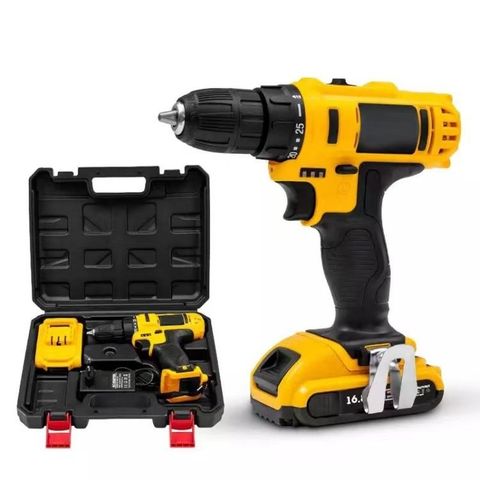
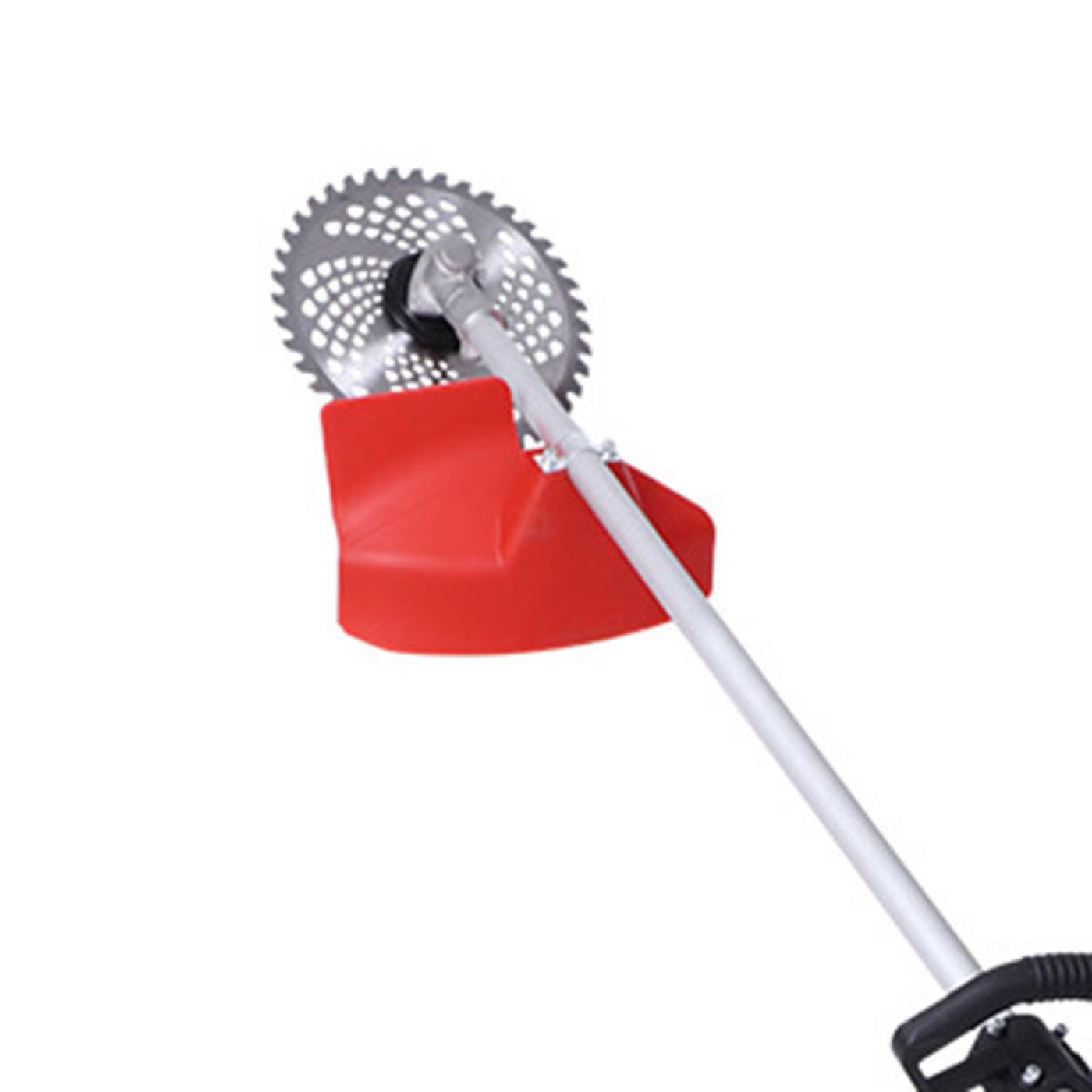
For a cordless drill driver, the applicable set usually includes the machinery directive, electromagnetic compatibility, and for the charger and battery pack, low voltage and battery-specific requirements. Change the product to a petrol chainsaw or a mains-powered lawn mower and the applicable set changes. A single certificate cannot cover a catalogue.
What the technical file has to contain
Ask for the technical file as a structure, not as a single PDF. A supplier who cannot describe the contents usually does not have one. The file should be organised and traceable to the exact model, and it should be retrievable within days, because a market surveillance authority will not wait weeks.
- General description and, critically, the model identifier that matches your order and the product label.
- Drawings and diagrams sufficient to identify the product and its electrical construction.
- The list of harmonised standards applied, with the version and year, not just the standard number.
- Test reports issued by a laboratory, with the report's own model reference and date.
- Risk assessment and the reasoning behind the design measures taken.
- Instructions and the safety information supplied in the language of the destination market.
- The declaration of conformity, signed, dated, and naming the responsible economic operator.
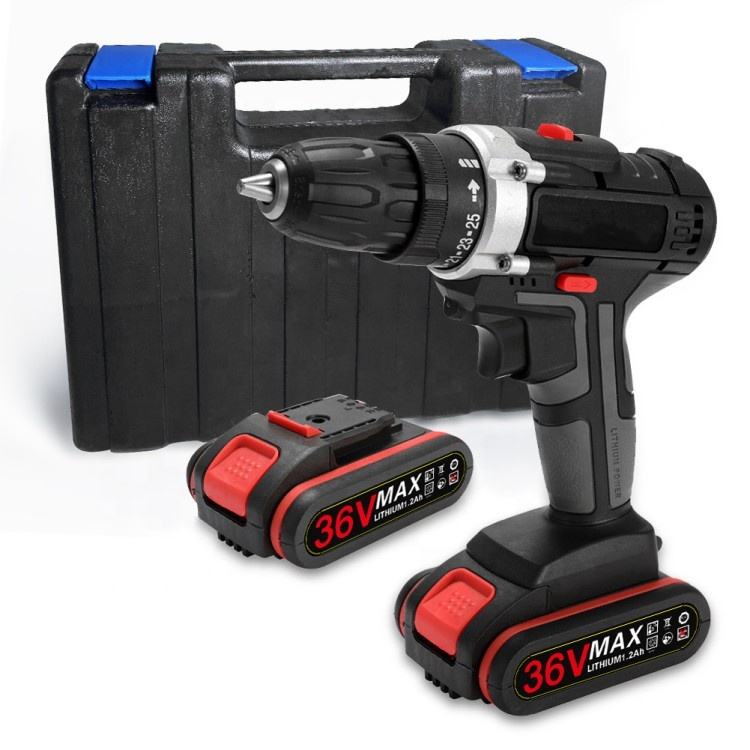
The point that catches importers is model reference consistency. A report for a 12V hammer drill at a quoted US$11.80-15 per unit does not cover a 21V model in the same housing, and a file assembled for one market's plug variant does not automatically cover another. The test report must name the model you are importing.
A certificate that does not carry your model number is not evidence for your product. It is evidence that a similar product was once tested.
Reading a declaration of conformity against your order
The declaration of conformity is the one document you will be asked for first and understand least. Check it line by line against the commercial invoice, not against the supplier's brochure.
- Does the product description match the goods, including the model and any variant suffix?
- Is the manufacturer named, with an address that is a real place of business?
- Is there an EU-established economic operator named, where the applicable rules require one, with a contact address?
- Are the directives and standards listed current, and do they match the technical file?
- Is it signed and dated, and is the date on or before the date the goods were placed on the market?
- Does it cover every SKU in the shipment, or only the hero model?
A declaration that covers one SKU in a mixed shipment is a common and expensive gap. If your container holds a drill, a mower and a screwdriver, each product family needs coverage, and each needs its own traceable evidence. A 1500W electric lawn mower at a quoted US$67-72 per unit does not inherit the file of a cordless screwdriver at US$8-10.20 per set.
Labelling, instructions and the language question
The mark must be applied legibly, and the product must carry the identification of the manufacturer or the importer, depending on the arrangement, plus the model and the electrical rating. Instructions and safety information must be in the language of the market where you sell. An English-only manual shipped into a market with a national language requirement is a documentation defect even when the tool itself is fine.
Where this actually catches buyers
Three situations account for most of the problems importers run into, and none of them involve a supplier acting in bad faith.
The first is a model change. A supplier refreshes the housing or swaps a switch supplier between the sample and the production run. The test report still exists, it is still genuine, and it no longer describes the product in the container. Nothing in the paperwork flags this, which is why the model reference on the report and on the label must be checked against the goods at inspection rather than assumed.
The second is a mixed shipment. Buyers consolidate several product families into one container to save freight, then present a single declaration of conformity that covers the hero item. Each product family carries its own applicable directives and its own evidence, and a cordless drill does not cover a mains-powered mower in the same booking.
The third is the private label trap. When your brand goes on the housing, the question of who is the manufacturer for the purposes of the documentation becomes ambiguous in practice, even when the answer is clear in law. Settle in writing which entity is named on the declaration and where the technical file is held, before the artwork is approved, not after.
A practical pre-order check
Before you release a deposit, do four things. Request the declaration of conformity for the exact model and read it against the invoice. Request the test report and confirm the model reference matches. Confirm who is named as the responsible operator and whether that entity actually exists. And confirm in writing which party holds the technical file and for how long, because the obligation to be able to produce it does not end at the port.
None of this requires you to become a compliance specialist. It requires you to stop treating the CE mark as a sticker and start treating it as a document chain that has to be complete before the goods move. The suppliers worth keeping are the ones who can walk you through that chain without hesitating.