An angle grinder is a motor with a spindle. Almost everything that makes it useful, and almost everything that wears out, is attached to that spindle or bolted to that body. That is why the grinder is one of the few power tools where the accessory line can generate more revenue over the life of the customer than the tool did in the first place.
Most distributors treat accessories as a shelf-filler: a few packs of cutting discs next to the tools, ordered when someone remembers. The result is predictable. The customer buys the grinder, wears out the disc that came in the box, and buys the replacement from whoever is nearest, which is rarely the distributor who sold the tool.
The tool is the entry point, not the product
A cutting disc lasts a fraction of the life of the grinder it is fitted to. A flap disc lasts less. Over the service life of one grinder, a working trade customer will consume a steady stream of discs, and each one is a purchase decision made in seconds at the point of use. The distributor's job is to be the obvious place that decision is made.
That changes what belongs in the first order. A distributor who buys fifty grinders and no discs has sold fifty tools and created fifty customers who will buy consumables elsewhere. A distributor who buys fifty grinders and a proportionate consumable range has created fifty repeat buyers, provided the discs are the right size, the right grade and available when needed.
Every grinder sold without a consumable range behind it is a customer being handed to the shop down the road.
Match the accessory to the tool the customer actually bought
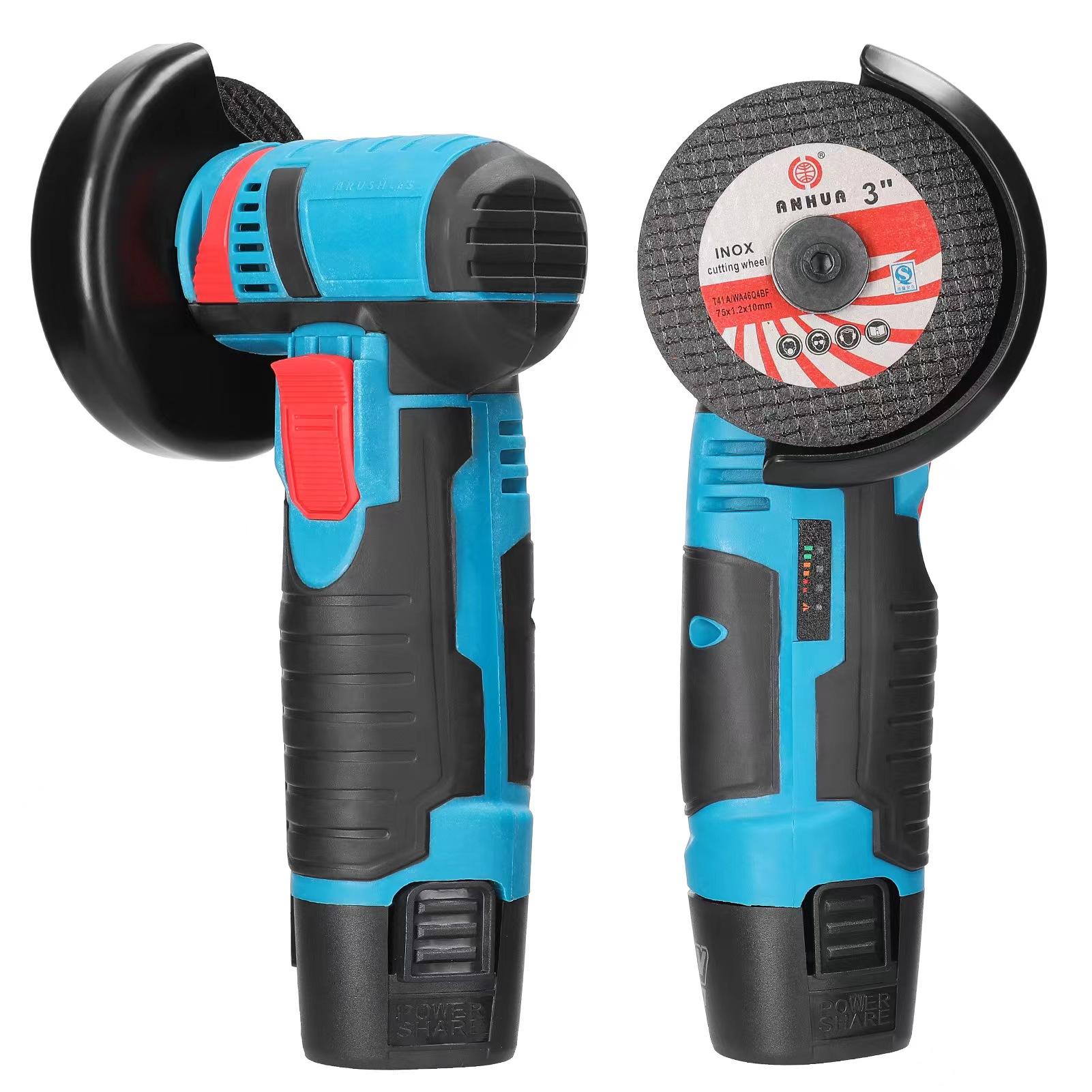
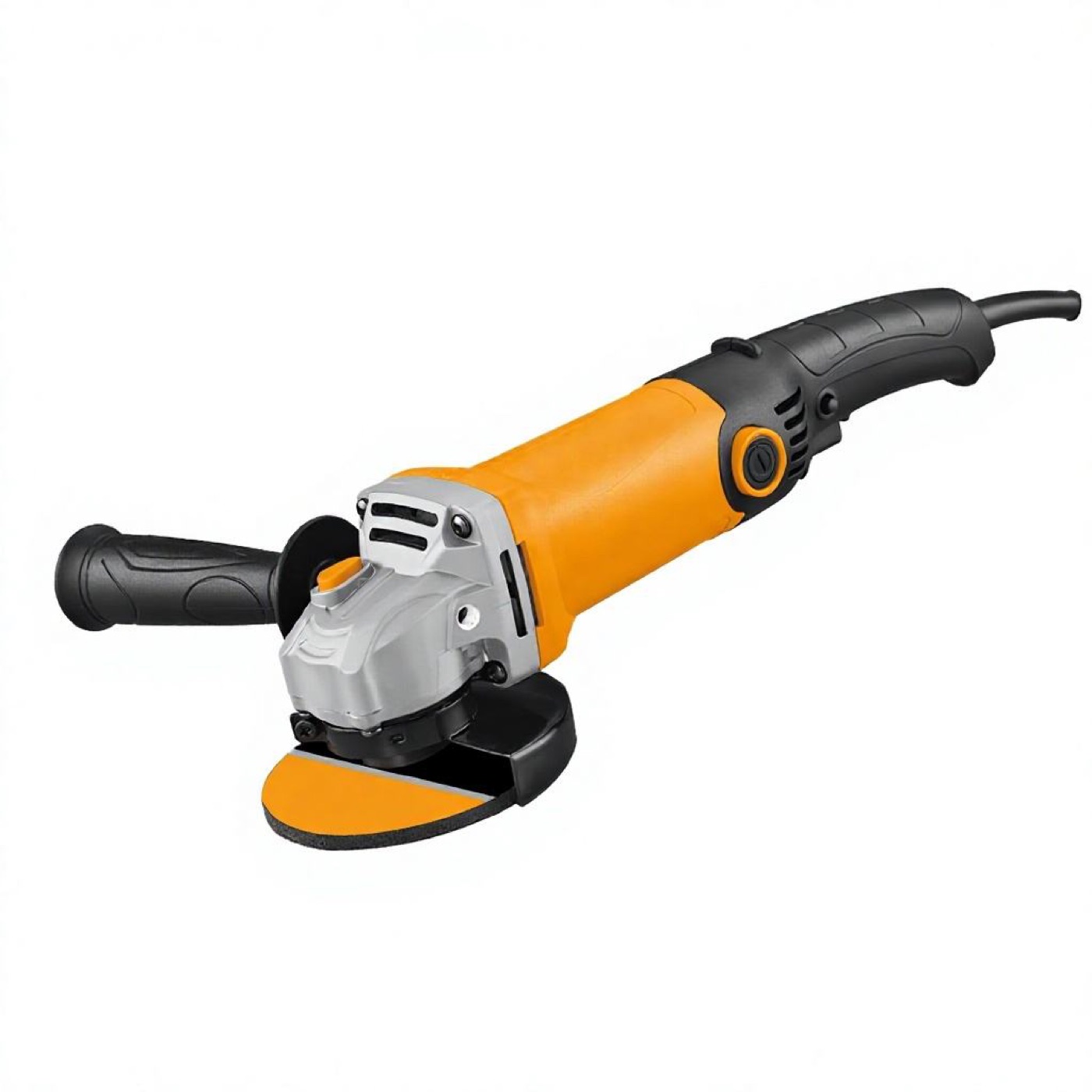
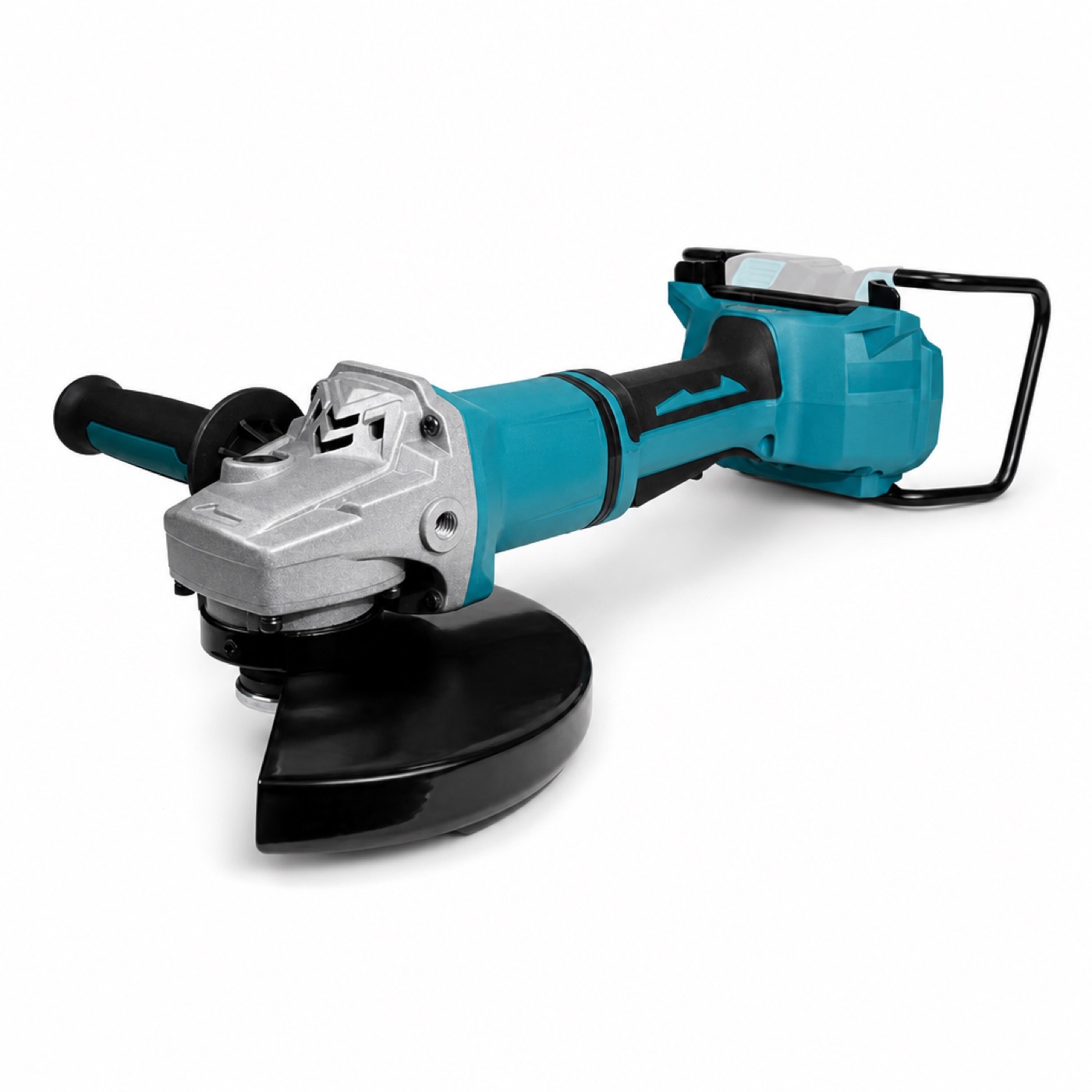
The catalogue shows how wide the grinder band is, and each band implies a different accessory set. A home mini handheld grinder with a brushed motor and lithium battery sits at US$9.50-10.50 from 10 pieces. A battery-powered angle grinder supplied with a carrying case and disc mounting accessories sits at US$13.88-16 from a single piece. An electric cordless angle grinder with auxiliary handle, disc guard and storage case sits at US$8-8.77 from 10 pieces.
Those three products serve different buyers and take different discs. The mini grinder is a light-duty household tool, and its buyer wants small packs of general-purpose discs. The US$13.88-16 battery grinder is aimed at trade use and needs a proper consumable range in the sizes it accepts. The US$8-8.77 cordless unit already includes the guard and auxiliary handle, which is a signal that the supplier expects it to be used properly rather than occasionally.
The rule is simple: confirm the disc diameter and the spindle thread of every grinder in the range before ordering a single accessory. A 100mm disc does not fit a 125mm guard, and an M10 spindle does not take an M14 disc. Getting this wrong produces a shelf of accessories that fits nothing in stock.
What the accessory range should contain
A working range is narrower than suppliers usually offer and wider than distributors usually stock. Five lines cover most of the demand in a trade-focused market.
- Cutting discs in the diameter that matches the tools stocked, in a general metal grade and a stainless grade, because contamination between the two is a real quality issue for fabricators.
- Grinding discs for weld dressing, in the grit that local fabricators actually use rather than the one that photographs well.
- Flap discs, which increasingly replace grinding discs in finishing work and carry a higher unit price.
- Auxiliary handles and guards as spare parts, because these are removed and lost far more often than they are broken.
- Wrenches and backing pads, the small items that stop a whole tool from being used when they go missing.
Two of those five are not consumables at all. Handles, guards and wrenches are spare parts, and stocking them is what turns a tool sale into a relationship that survives the first lost component. They cost almost nothing to carry and they solve the most common reason a customer stops using a tool.
Safety is a commercial argument, not a compliance footnote
A guard and an auxiliary handle are supplied with a grinder for a reason, and the accessories that replace them carry their own requirements. Bonded abrasive wheels are covered by a dedicated safety standard in most markets, and the marking on the disc, including its maximum speed, is part of what makes it legal to sell. A distributor who stocks unbranded discs without markings is carrying a liability that costs far more than the margin it earns.
The practical checks are quick: that the disc's maximum speed exceeds the no-load speed of every grinder it will be sold against, that the markings are legible and permanent, and that the packaging states the diameter, thickness, bore and application. A disc without those markings should not be ordered, regardless of price.
Making the attach sale happen
Attach sales do not happen because the accessories are in the warehouse. They happen because the accessory is present at the moment of the tool sale. Three arrangements do most of the work: a starter pack bundled with the grinder, a consumable display positioned at the counter rather than in an aisle, and a reorder unit small enough that the customer takes one without thinking.
The bundled starter pack is the highest-leverage of the three, because it converts the first consumable purchase into part of the tool price and removes the decision entirely. It also settles the compatibility question at source: the pack that ships with the tool is, by definition, the right size and thread.
Then measure the attach rate rather than the accessory revenue. Accessory revenue can grow while the attach rate falls, if a handful of customers buy heavily. The attach rate, meaning the proportion of grinder buyers who also buy consumables within a defined period, is the number that predicts whether the line is working.