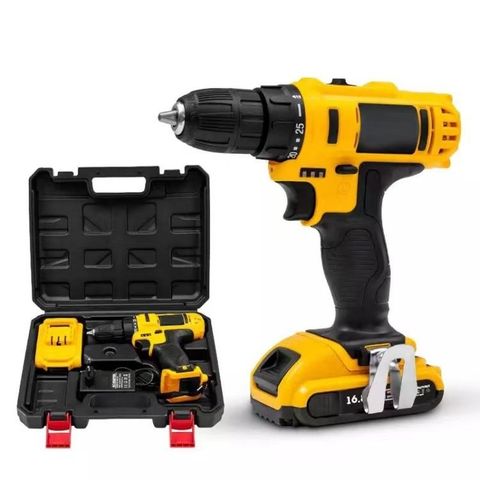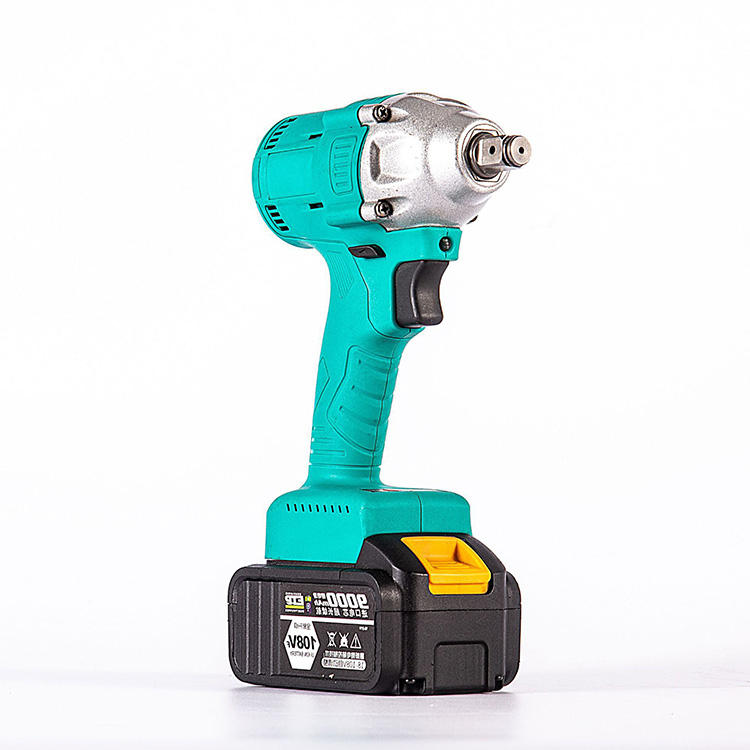
Two cordless drills can look identical in a catalogue photo and differ by a factor of two in price. Most of that gap sits in one component: the motor. Knowing what each type does under load is the difference between a SKU that earns repeat orders and one that returns on warranty.
How the two motors differ
A brushed motor conducts current through carbon brushes rubbing on a rotating commutator. It is simple, cheap to build and easy to service — and the brushes are a wearing part. A brushless motor replaces that contact with an electronic controller and rotor-position sensing, so nothing mechanical wears against the rotor.
- Efficiency: brushless typically converts more battery energy into torque, so the same cell pack gives longer runtime per charge.
- Service life: brushes wear and are replaceable; a brushless motor has no brush service interval, though the control board becomes the component to protect.
- Control: brushless controllers hold speed under load more precisely, which matters for drilling and for consistent fastening torque.
- Cost: brushless adds controller cost and electronics quality risk — a cheap controller is a worse buy than a good brushed tool.
- Weight: the controller and sensor hardware add a little mass and length to the housing.
Where the cost difference shows up
For a buyer, the practical question is duty cycle. A tool that runs ten minutes a day and a tool that runs six hours a day experience different economics: the second one pays for a brushless upgrade in avoided downtime and brush replacements, while the first rarely does. Brush sets and controllers are also aftermarket lines in their own right — worth deciding deliberately rather than by accident.
Which one to order
- High-duty professional, rental, or trade-customer SKUs: specify brushless, and treat controller quality as the main specification item.
- Price-led entry SKUs where the competing shelf price decides the sale: brushed remains the honest choice, but state the brush service interval in the manual.
- Any SKU sold with a multi-year warranty: brushless reduces the wear-related claim rate.
The motor is the warranty risk. Decide it per SKU, not per catalogue page.
What to confirm before ordering
- Battery platform and voltage, and whether batteries ship with the tool or as bare units.
- Battery capacity in Ah, and whether one or two packs are in the case.
- Charger plug standard and input voltage for the destination market.
- Availability of spare brushes or controllers, if you intend to support repairs.
- Packaging: colour box, blow-mould case or carton, and the language of the manual.