Wholesale tool orders are usually decided on price, then lose money on configuration. Four configuration items cause most of the avoidable problems: mains voltage, plug standard, battery platform continuity, and how the lithium cells travel.
Mains voltage and plug type
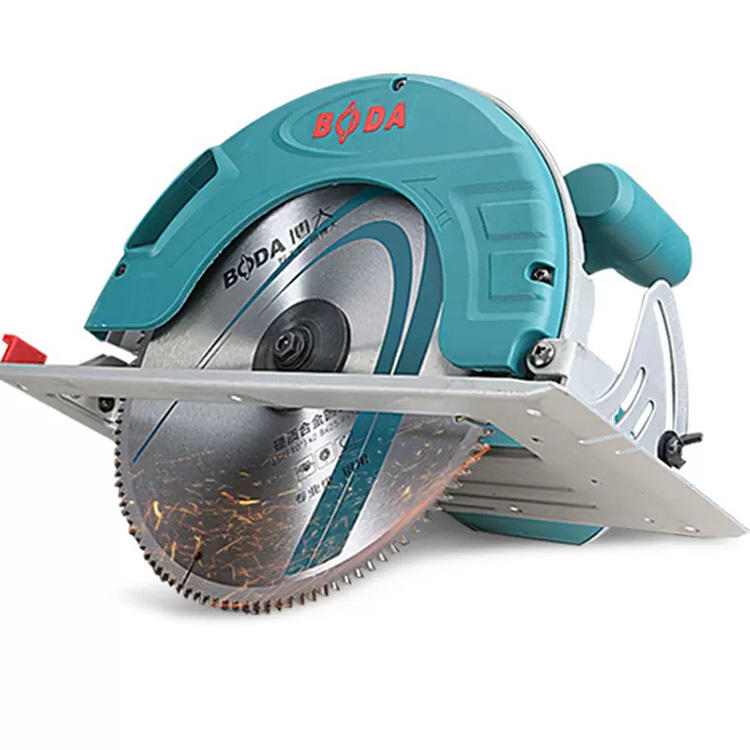
Mains-powered tools must match the destination supply. Most of the Middle East, Africa and Asia runs 220–240 V at 50 Hz, while parts of the Americas and a few other markets use 110–120 V at 60 Hz. Plug shape is a separate decision from voltage, and the two are not always paired the way buyers expect. Confirm both in writing before a production run, and state them on the carton.
Battery platform continuity
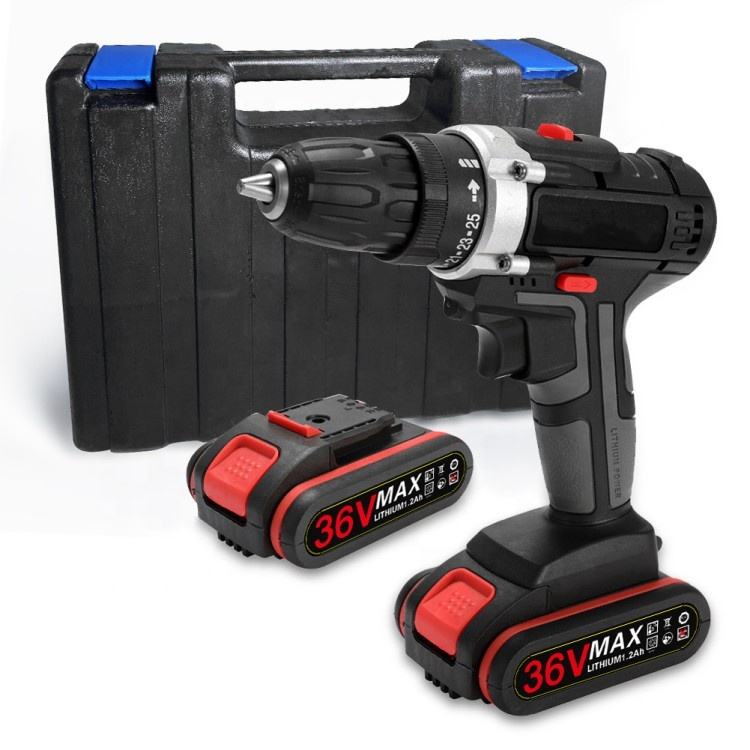
Once a buyer has sold a customer one 21V platform, every later purchase is easier if the packs interchange. That is why platform continuity across a range matters more than the absolute voltage number: a customer with three batteries and one charger buys bare tools, and bare-tool orders repeat faster than kit orders.
Shipping lithium cells
Lithium battery packs are regulated dangerous goods. Before quoting a destination, agree with the forwarder what documents and packing the route needs — typically a UN38.3 test summary and a material safety data sheet, sometimes a state-of-charge limit or a restriction on how the packs travel. Air rates can change sharply with battery content, so a quote without this check is not a quote.
What to send for a quotation
- Target retail price band and the market it will sell in.
- Voltage, plug standard and, for cordless tools, the battery platform.
- Battery capacity, number of packs, and charger configuration.
- Whether the product must carry your branding on the tool, case and carton.
- Destination port and the documents your market requires.