The conversation usually starts the same way. You want the tools in your own colour, the supplier says there is a tooling fee, and the number arrives without any indication of what it pays for. Sometimes it buys a new mould. Sometimes it buys a colour change on an existing mould. Sometimes it buys nothing beyond a batch of sprayed housings, and you find that out when the second order arrives in a different shade.
These are three separate purchases with three separate price structures and three separate ownership questions. Treating them as one line item called tooling fee is how buyers end up paying for a mould they do not own, or paying a mould fee for a colour that could have been changed for far less.
Painting, masterbatch, and a new mould
Painting is the cheapest route and the least durable. The housings come off the existing mould and are sprayed, which means the colour sits on the surface and has to survive handling, packing, shipping and the first few weeks in a customer's hands. It is a reasonable way to test a colour in a small batch, and a poor way to build a product line, because surface finishes chip at the edges where a tool is handled most.
Masterbatch is colour inside the plastic. The pigment is compounded into the resin before moulding, so the part is the same colour all the way through and a scratch does not reveal a different shade underneath. It requires no new mould if the geometry stays the same, but it does require a minimum quantity per colour, because a moulder will not run a small batch of custom-compounded resin economically. That minimum is usually the real constraint on a colour programme, not the pigment cost.
A new mould is a geometry change, not a colour change. It is justified when you need a different shape, a different battery interface, an extra vent or a different grip, and it is the only one of the three where the fee is genuinely large. It is also the only one where ownership has to be settled in writing before you pay anything.
Ask the supplier to name the process before the price. Painting, masterbatch and a new mould are three different products, and only one is worth a five-figure conversation.
What the tooling fee should actually cover
A legitimate mould fee covers the design and manufacture of the tool, its trial shots, and the corrections needed to get a saleable part. It should be quoted as a single figure with a description of what is included, and it should come with a statement of who owns the tool once it is paid for. In most private label arrangements the answer should be you, with the mould held at the factory for your orders, and with a written right to move it to another factory if the relationship ends.
Two clauses are worth insisting on. The first states that the mould is your property once the fee is settled, and that the factory holds it solely to fulfil your orders. The second states what happens to the mould and the artwork files if you stop ordering, including who pays for crating and transport if you move it. Without those two sentences, the fee buys you a colour and a dependency.
What a mould fee is not
- It is not a deposit against future orders unless the supplier says in writing that it is refundable, and at what volume.
- It is not a licence to use your artwork on other customers' products, so the clause should say the mould is used only for your orders.
- It is not automatically a per-colour charge: a colour change on an existing mould should be quoted as a colour change, with its own minimum batch.
- It is not an annual fee. If a supplier mentions a recurring tooling charge, ask what has physically worn out and needs replacing.
The volume maths that decides the question
The decision is arithmetic once you have two numbers: the fee and the volume you genuinely expect to sell. Divide the fee by the units you expect over the life of the product, not over the first order, and add that to the unit cost. Then compare it with what the same product costs in the supplier's standard housing.
As an illustration only, and not a quotation: a fee of US$3,000 spread over 1,000 units adds US$3.00 per unit, while over 6,000 units it adds US$0.50. Replace both numbers with your own before deciding anything, because the conclusion flips between those two cases, and the volume estimate is the part buyers get wrong in the optimistic direction.
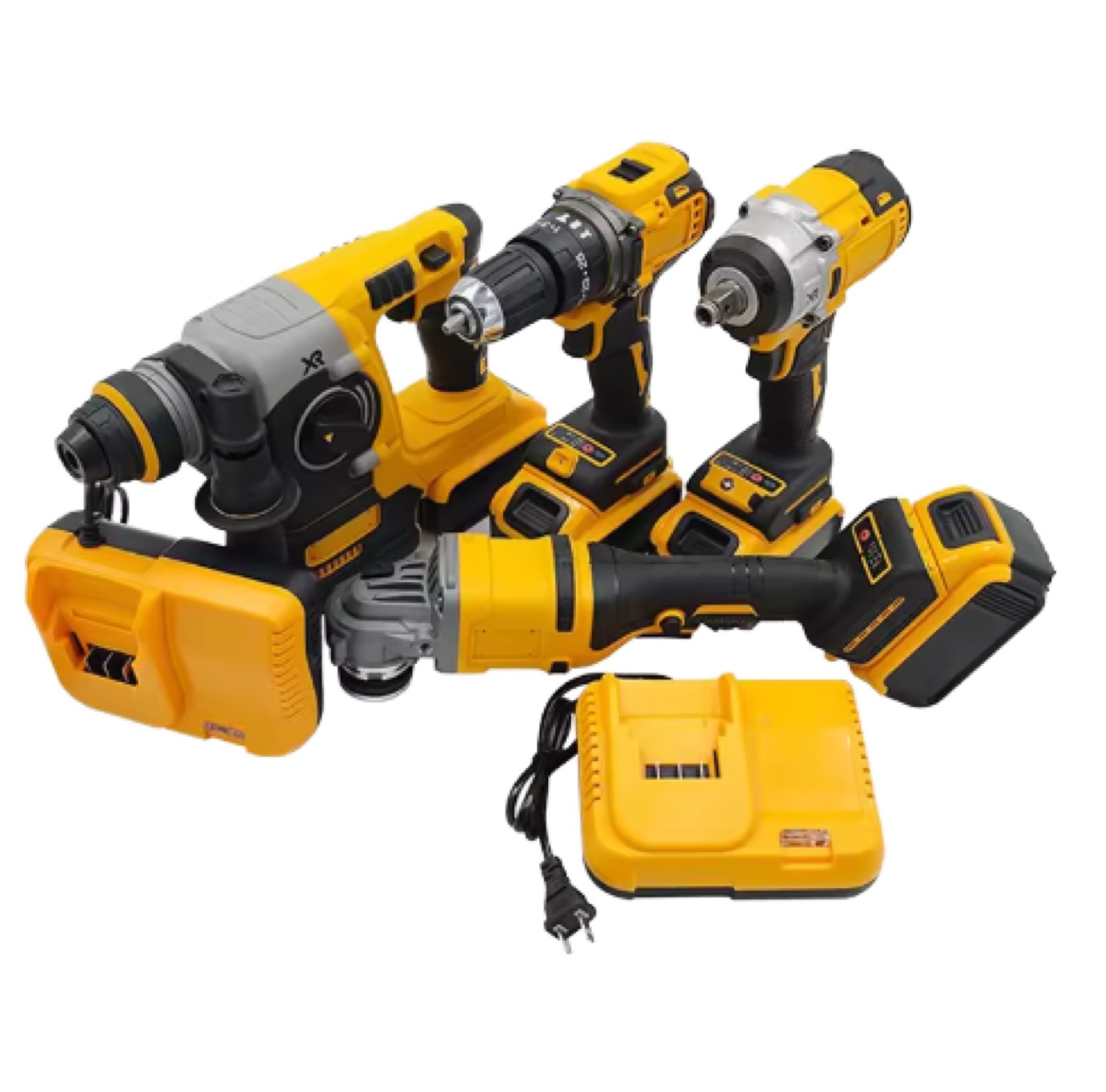
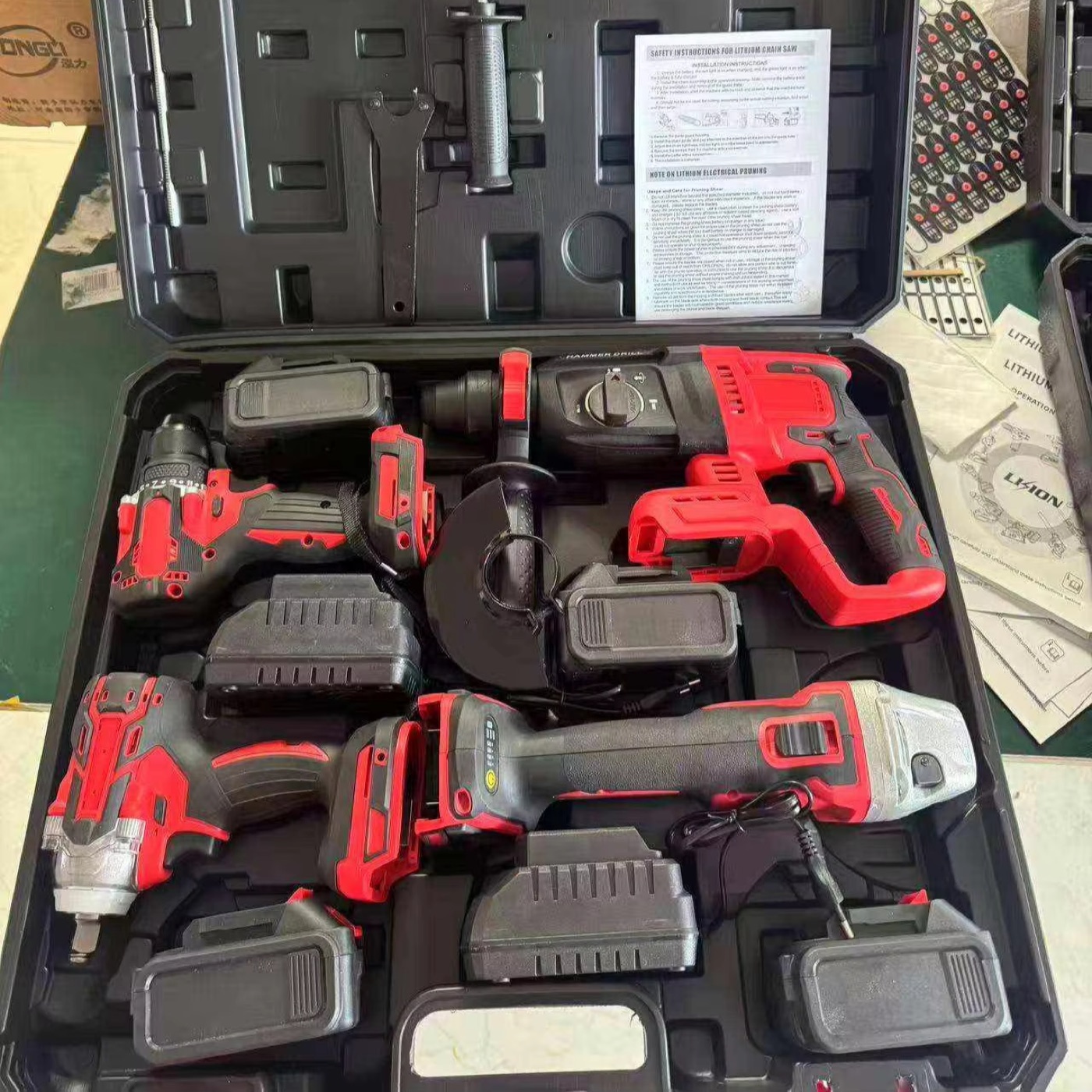
The comparison also has to be made against a real alternative, not against zero. A multi-tool kit listed at US$65.00 to US$75.00 per set with a two-piece minimum carries a different margin structure from a single tool, because the kit's perceived value comes from the number of pieces in the case rather than the colour of any one of them. A six-piece cordless combo kit is listed at US$85.00 to US$90.00 per set at the same two-piece minimum. In both cases a custom colour raises the price of the whole kit, which is why colour programmes earn their money on single tools and flagship kits rather than on every SKU in a range.
Where colour pays back, and where it does not
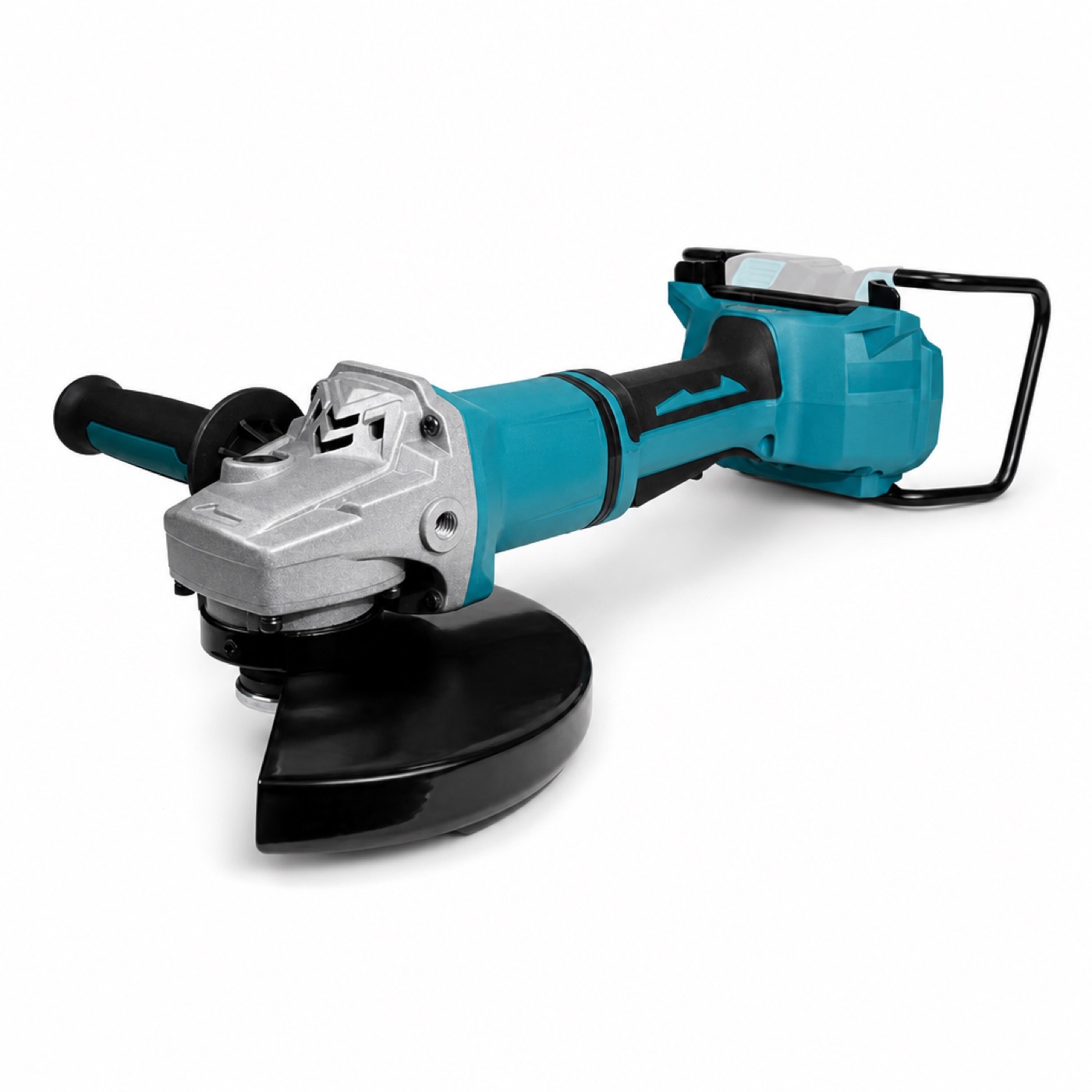
Colour pays back when it does one of three jobs: it makes the product findable on a shelf, it makes a range look like a range, or it protects a price point by making direct comparison harder. It does not pay back when it fragments a small volume across several colours, or when the colour is applied to a body that a carrying case hides most of the time. A battery-powered angle grinder listed at US$13.88 to US$16.00 per unit with a one-piece minimum spends most of its retail life in a case or on a hook, and the visible surface is small; the same budget spent on a better accessory set is often the better commercial decision.
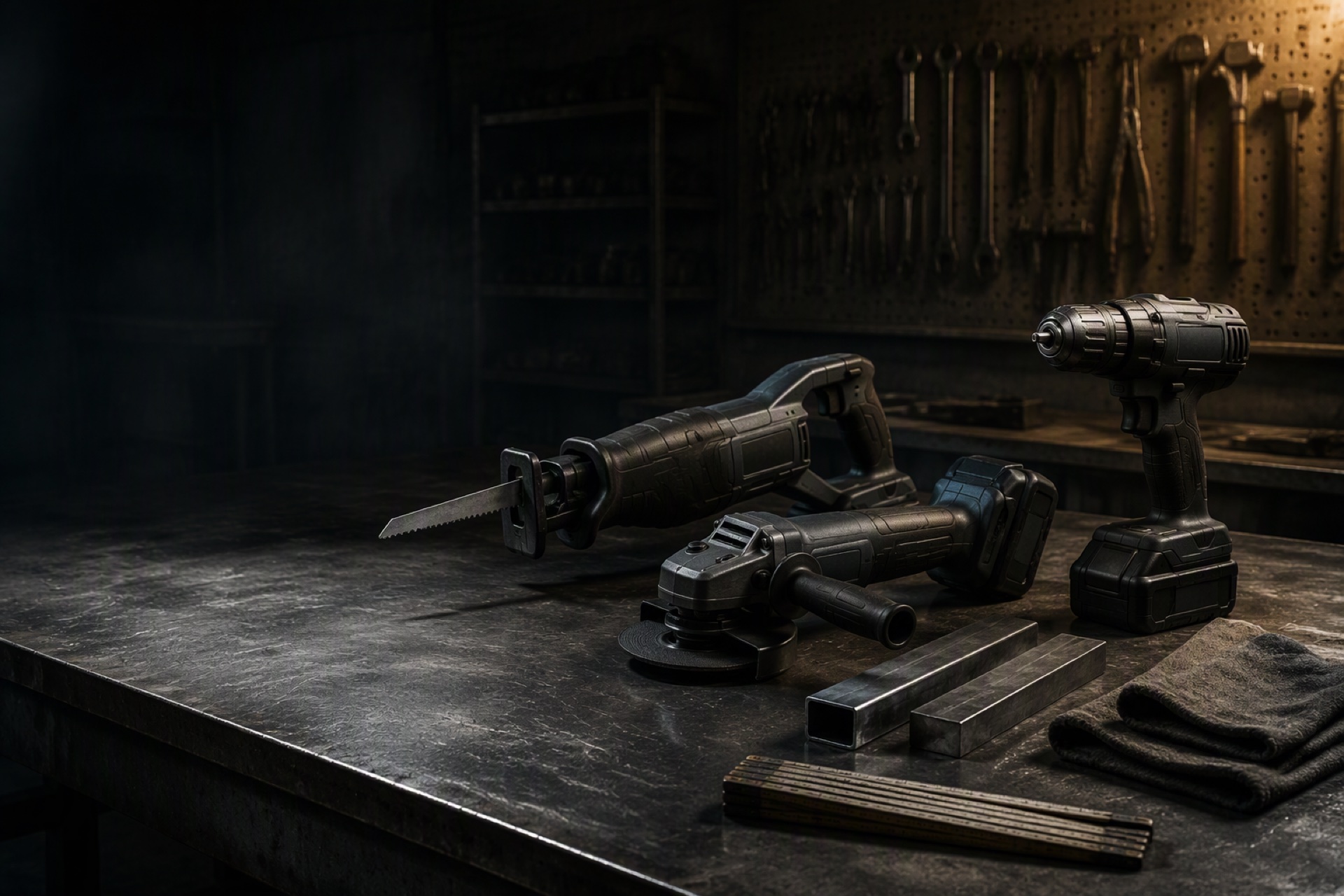
Range consistency is the argument buyers underestimate. If your cordless range includes a drill, a grinder and a kit, all three should read as one family on a shelf, which means one colour definition applied across several moulds. That is a specification exercise: one colour reference, one surface finish and one tolerance for shade variation, agreed before any of the tools are moulded. Suppliers who mould each SKU separately will produce three slightly different shades unless the colour reference is written down and checked against physical samples.
Questions to settle before you pay anything
- Which process is being quoted: painting, masterbatch, or a new mould, and what exactly does the fee include.
- What is the minimum batch per colour, and does that minimum apply to each SKU or to the colour across the range.
- Who owns the mould after payment, and what are the terms for moving it to another factory.
- Is there a written colour reference, and will the supplier provide physical colour samples from the first production run for approval.
- Does the price per unit change once the custom colour is applied, and by how much.
- What happens to the tooling if the product is discontinued or the order volume falls below the minimum.
- Are the artwork files for the carton and the label held in your name, separately from the mould.
The buyers who get this right treat colour as a manufacturing specification with a cost attached, not a branding flourish. They know which process they bought, they own the tool they paid for, and they hold a written colour reference that survives a change of factory. Everyone else pays the fee twice.