A cordless tool order is an ordinary container booking until the forwarder asks what is inside the cartons. The moment the answer includes a lithium pack, the shipment becomes regulated cargo, and the documentation that accompanies it decides whether it moves on the booked vessel or sits at the terminal while you explain the gap to a customer who was promised a delivery date.
The mistakes are rarely exotic. In most cases the documents exist, the supplier sends them by WeChat, and the problem is that they describe a different cell, a different capacity or a different packing configuration from the one in the cartons. A test summary that does not match the shipped pack is not a small administrative defect; from a carrier's point of view it is an undeclared shipment.
This is a documentation discipline problem, and it is worth solving at the quotation stage rather than after production. The categories below are the ones almost every battery tool order needs, whether it moves by sea or by air.
The document set, and what each one actually proves
There is a core set that forwarders and carriers ask for consistently, plus a smaller set that depends on the mode of transport. Ask the supplier for all of it in one email before you place the deposit, so that a missing document is a negotiation point rather than a crisis.
- UN 38.3 test summary for the cell or battery, issued for the specific model you are shipping, not for a similar one.
- Safety data sheet for the battery pack, with the chemistry, nominal voltage, capacity and model number stated on it.
- A battery declaration or shipper's declaration stating the UN number that applies: cells or packs shipped alone, packs packed with equipment, or packs contained in equipment.
- Packing list that states the battery configuration per carton and, where required, the net weight of cells.
- For air freight, the packing instruction statement that applies to the configuration, since passenger and cargo aircraft rules differ.
- For sea freight, the dangerous goods declaration accepted by the line, plus confirmation from the forwarder that they accept this class of cargo on this route.
Each document answers a different question. The test summary answers whether the design has been tested. The safety data sheet answers what the chemistry is and how it behaves. The declaration answers how it is packed for this journey. The packing list answers where it is in the container. A shipment that has three of the four is a shipment that will be questioned, because the missing document is exactly the one the carrier needs to classify the booking.
Where buyers get caught: the document does not match the SKU
The most common failure is a mismatch between paperwork and product. A supplier who makes several cordless tools will often hold one test summary that covers the pack family they use most, and will send that one for every order. If your order contains a different pack, the summary is not evidence for your shipment. The model number on the document has to correspond to the pack in the carton, and the capacity on the document has to correspond to the capacity on the label.
The second common failure is configuration drift between quotation and production. You approve a sample with one pack, then accept a substitution to a higher-capacity pack to hit a price, and the documents are never updated. Nothing about the tool changes visually, which is precisely why nobody notices until the forwarder reads the declaration against the packing list.
The document you need is not the one that proves the supplier makes safe batteries. It is the one that proves the batteries in this container are the ones that were tested.
Applying it to a real order
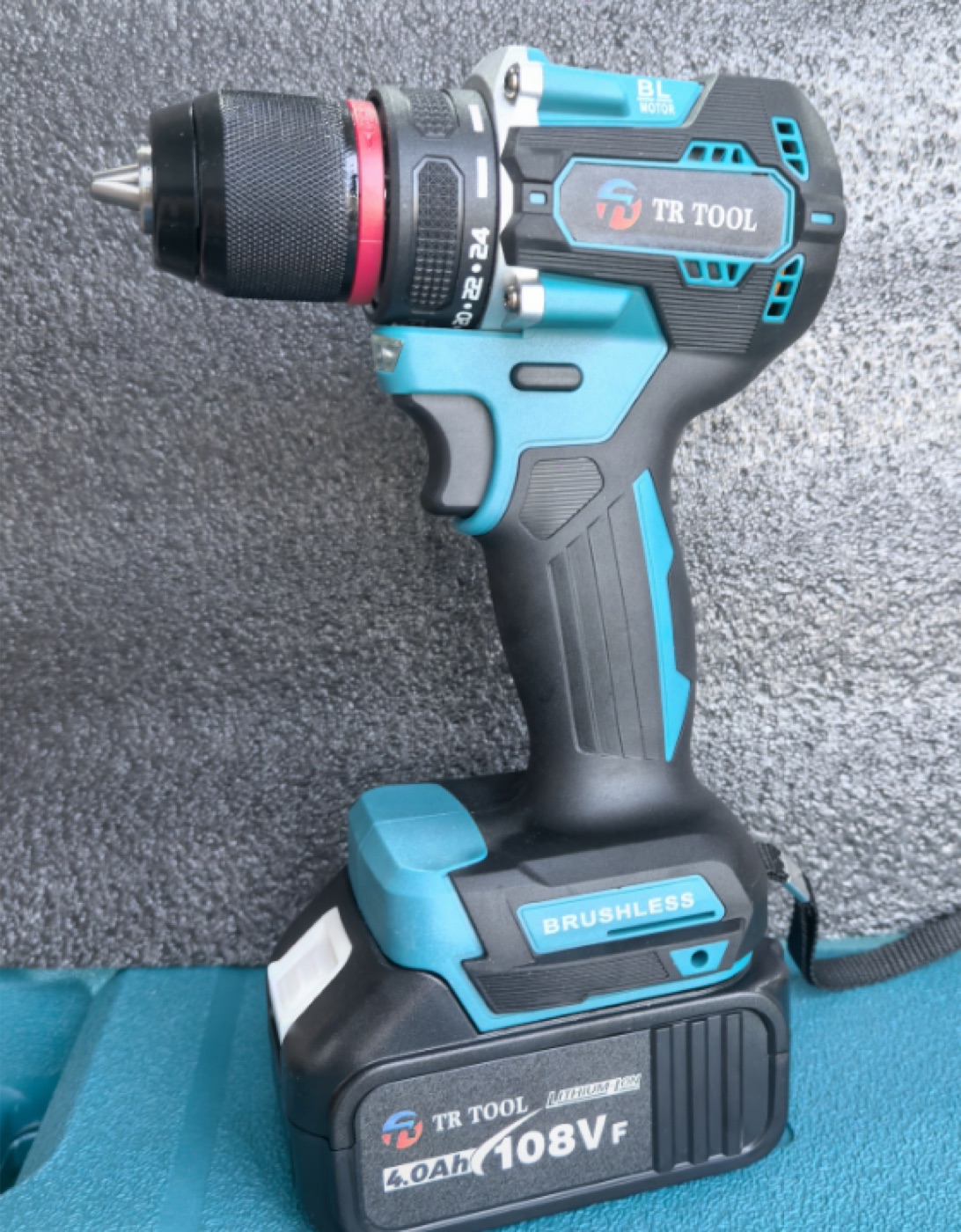
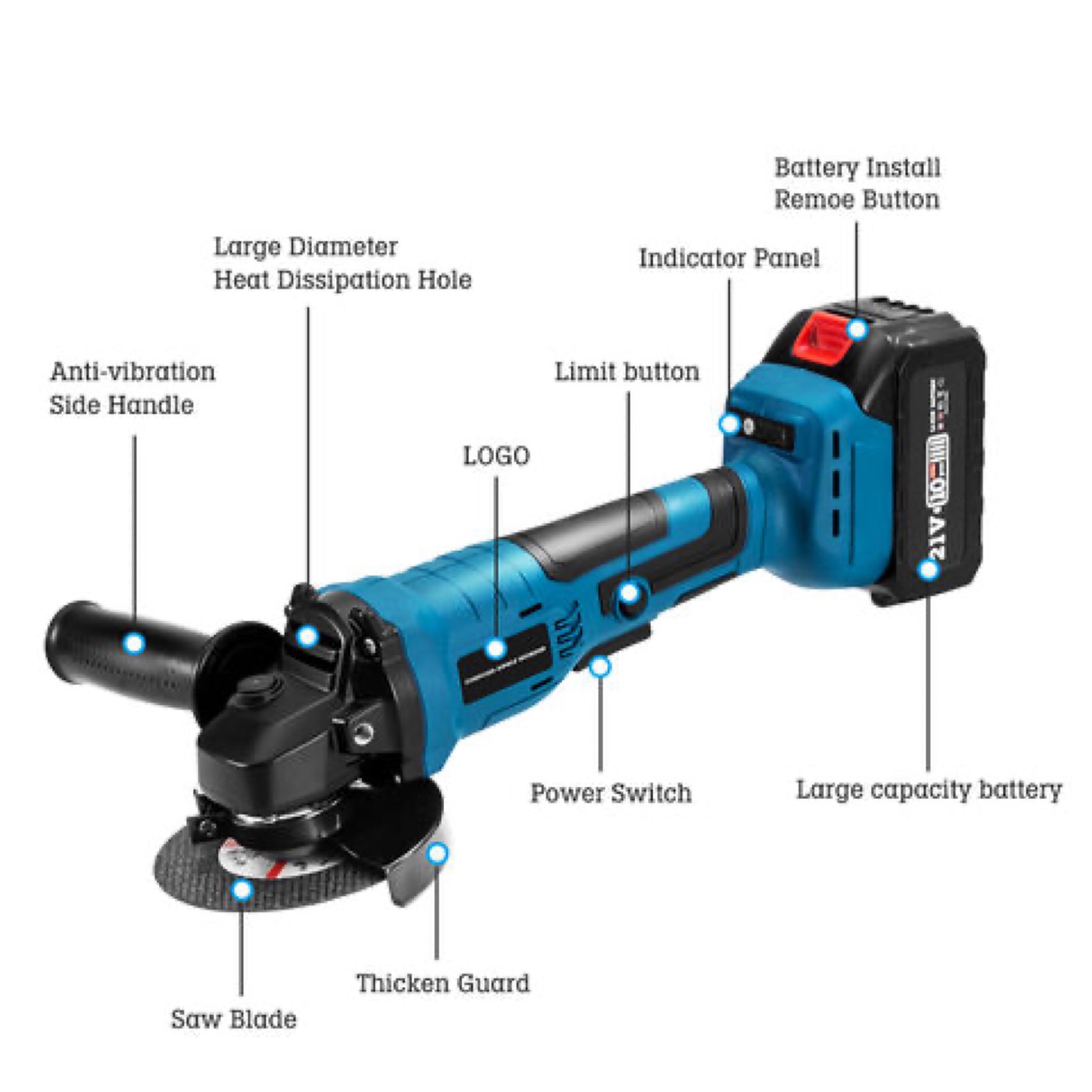
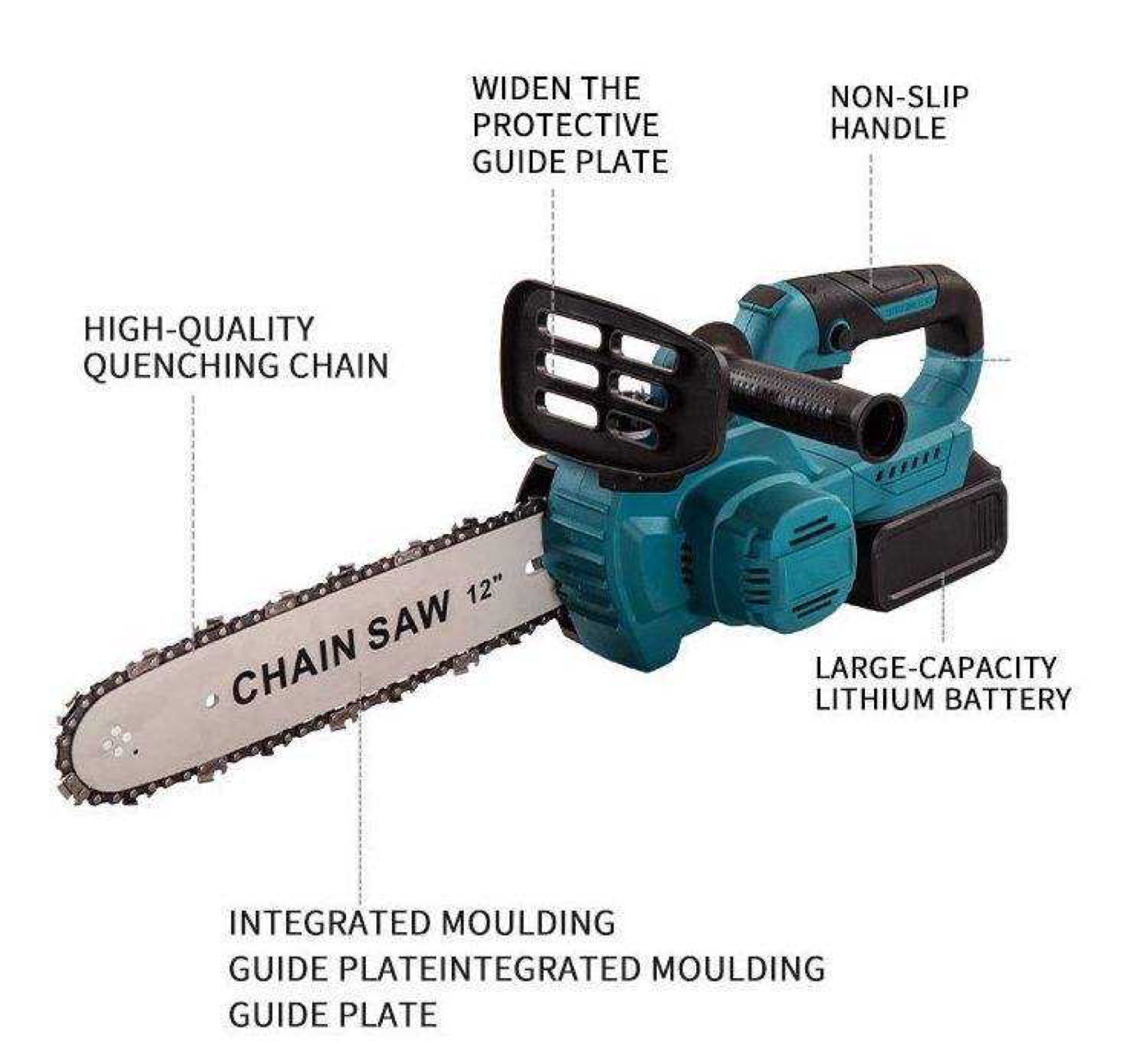
Take a mixed cordless order. A brushless cordless drill with a lithium-ion pack is listed at US$16.00 to US$20.00 per unit with a two-piece minimum. A 21V cordless angle grinder in the same catalogue is listed at US$30.00 to US$35.00 per set with a fifty-set minimum. A 12-inch lithium battery chain saw is listed at US$73.00 to US$74.30 per piece with a ten-piece minimum. Three products, three different packs, one container, and therefore potentially three test summaries rather than one.
That is the practical test to run before booking. List every SKU in the order, write down the pack model and capacity for each, and ask the supplier to send the matching document for each one by name. If they return a single document covering the whole order, ask which pack model it covers and whether the others are covered by the same test. A supplier who cannot answer that question has not been through this process before, and the cost of teaching them falls on your schedule.
Sea freight is not a paperwork shortcut
There is a persistent belief among first-time importers that sea freight avoids dangerous goods handling because the cargo is not flying. The classification does not disappear at the quayside; it changes the rules that apply. Carriers still require the shipment to be declared, still require the documentation, and still apply restrictions on how and where the cargo can be stowed. Some forwarders accept battery cargo and some do not, and the ones that do will want the declaration before they confirm space.
This is where the forwarder conversation belongs: before production, not after. Ask three specific questions. Does this forwarder accept lithium battery cargo on this route. What documentation do they require from the shipper. And what is the latest point at which they will accept a document revision without losing the booking. The answers determine how much slack your production schedule really has.
A pre-booking checklist
- Every SKU in the order has a named pack model and capacity, written into the purchase order.
- A test summary exists for each pack model, and the model number on it matches the purchase order.
- The safety data sheet states the same chemistry and capacity as the pack label.
- The shipper's declaration matches the packing configuration actually used, not the one planned at quotation stage.
- The packing list states battery quantity and configuration per carton.
- The forwarder has confirmed in writing that they accept this cargo on this route.
- A named person at the supplier is responsible for document revisions, and you have their direct contact.
- You have checked the documents before the balance payment, not after the container leaves.
None of this makes a shipment move faster than the paperwork allows. What it does is move the paperwork to the start of the order, where a missing document costs an email rather than a week of demurrage. For a buyer running several battery-powered lines, a simple folder per pack model, with the matching test summary, safety data sheet and declaration inside it, is the cheapest insurance available.