Almost every bad tool order looks reasonable at the quotation stage. The price is inside the range you expected, the photos match the category, and the salesperson answers within the hour. The problems appear later: a motor that is smaller than the spec sheet said, a battery pack with no test summary, cartons that collapse in a humid container, or a supplier who stops replying the week your balance payment is due. By then you have paid for goods you cannot reject cheaply.
The useful skill is not negotiating harder. It is recognising, in the first two or three emails, which suppliers are structurally unable to deliver what they are quoting. Below are nine signals worth pausing on, followed by what a healthy quotation actually looks like when you compare it against real catalogue numbers.
Red flags appear in documents, not in prices
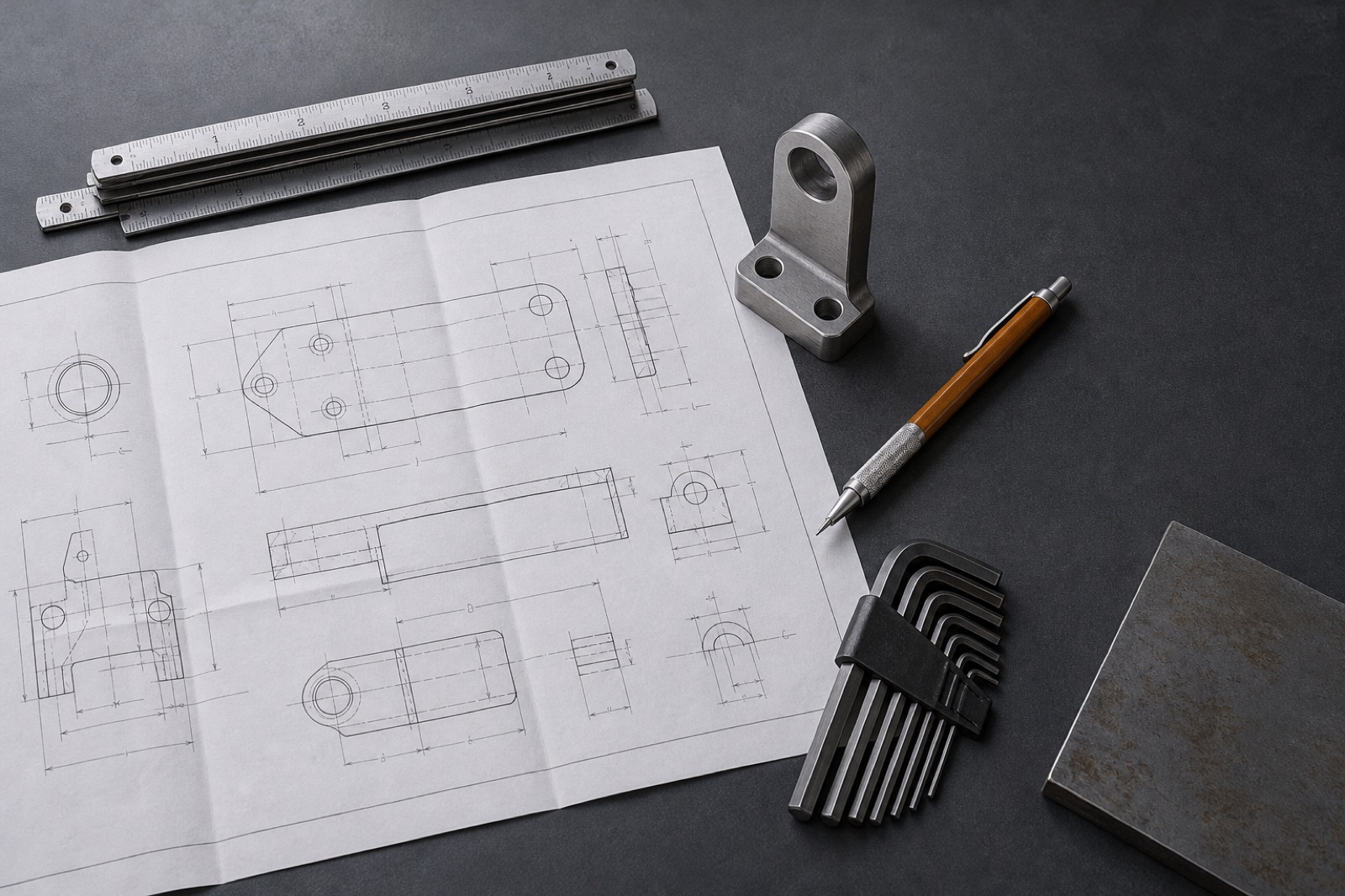
Price alone tells you very little, because two suppliers can quote the same figure for completely different hardware. What exposes a weak supplier is the paperwork around the price: whether the model number is stable, whether the specification is written rather than photographed, and whether the accessories in the box are listed item by item. A supplier who cannot produce a written specification is usually a supplier who cannot control what leaves the factory either.
This matters more in power tools than in most categories because the visible shell hides most of the cost. Two cordless drills can look identical in a product photo while differing in cell brand, motor type, gear material, chuck runout and switch quality. If the quotation does not name those components, you are not comparing tools. You are comparing pictures.
Nine signals that justify pausing an order
- The specification is a screenshot. A real supplier can send a text specification with model number, rated voltage, no-load speed, torque, chuck size, battery capacity and net weight. A photo of a catalogue page means nobody has agreed what you are buying.
- The quotation has no model number. Without a model reference, the factory floor has nothing to build against and you have nothing to inspect against. Every later dispute becomes a memory test.
- Nobody can name the motor or the cells. Even traders usually know whether a unit is brushed or brushless and what cell format sits inside the pack. Vague answers here usually mean the components change with whatever is cheapest that month.
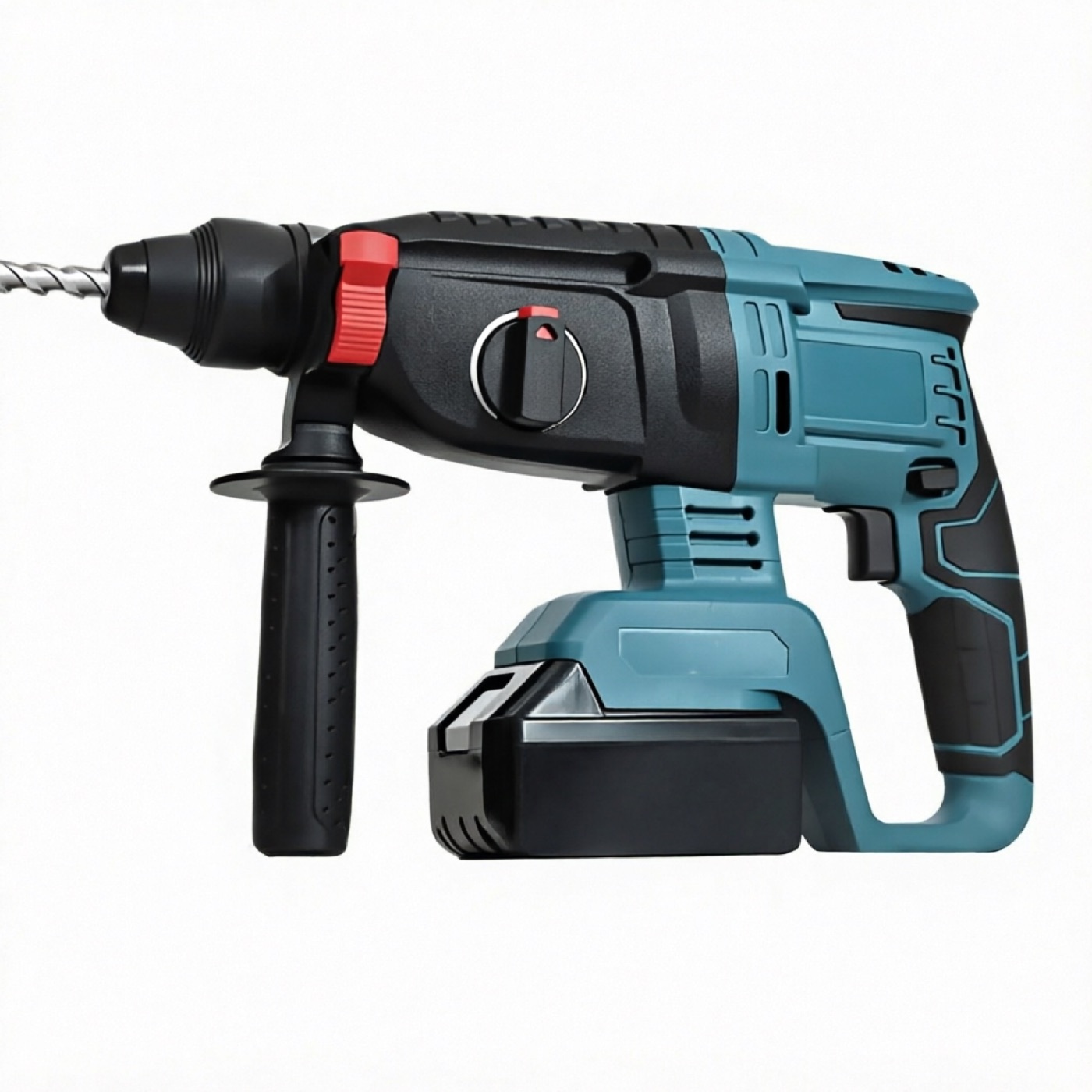
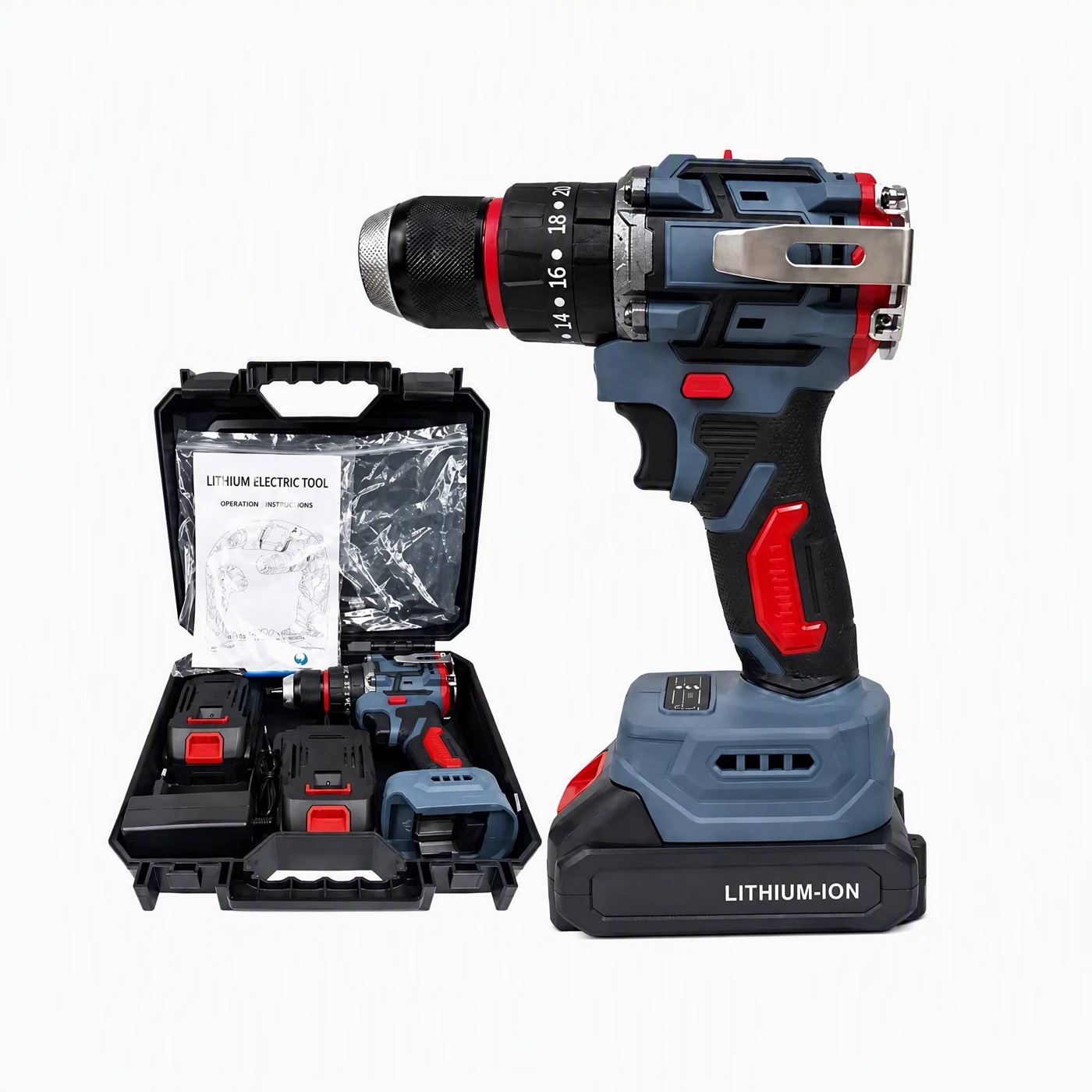
- The price sits far below the band the category supports. Entry-level 36V brushless rotary hammer drills are commonly quoted around US$24 to US$26.51 per unit at a minimum of two units, and a 21V drill driver with a 3/8 inch chuck typically lands near US$13.50 to US$16.00 at a ten-unit minimum. A quote at half those numbers is not a bargain; it is a different tool wearing the same photo.
- The MOQ moves every time you ask. A minimum that drops from 500 to 100 to 50 without any change in specification means the number was invented to keep you talking, and the production slot does not exist.
- Spare parts get a shrug. Ask what a replacement switch, carbon brush set or battery pack costs and how long it takes to ship. A supplier with a real parts channel answers in numbers. A supplier without one changes the subject.
- Certificates are promised in any standard you name. Paperwork that can be produced for any destination on request is paperwork that was not issued for your product. Ask for the report number and the model it covers, not the logo.
- Payment must go to a personal account. Company accounts can be verified against the business licence. Personal accounts remove your ability to dispute the transaction and are the single most common thread in deposit fraud cases.
- The sample is discouraged. If a supplier argues that a sample is unnecessary because the quality is guaranteed, the sample was never going to resemble the bulk order.
What a healthy quotation looks like
A workable offer is boring. It names the model, states the specification in text, lists what is in the carton, and gives a price that is consistent with the hardware described. It also tends to sit inside a recognisable band rather than at the extreme edge of it.
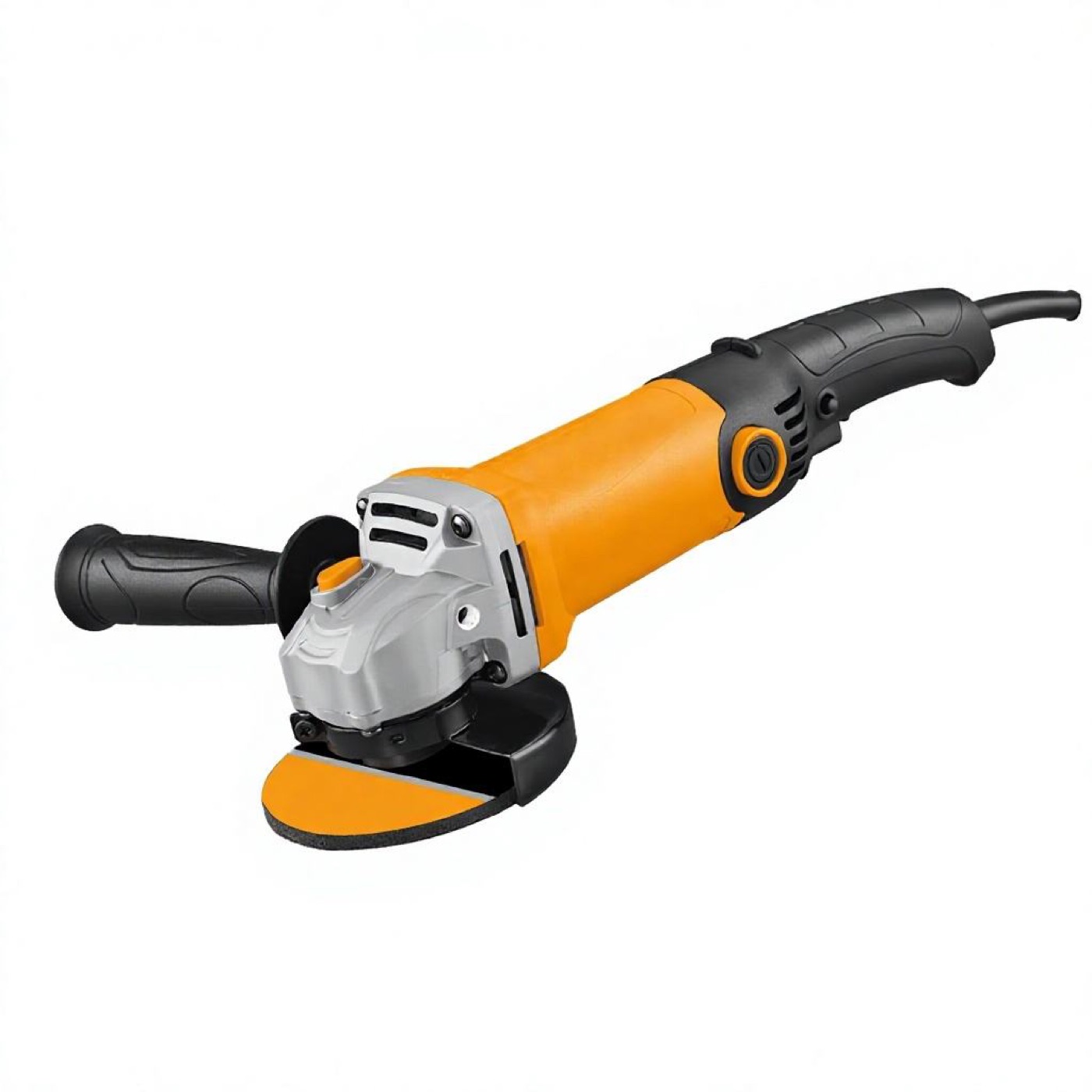
Take three examples from a typical cordless line. A 36V brushless rotary hammer drill with an SDS-plus chuck is commonly offered at US$24.00 to US$26.51 with a minimum of two units, which reflects a mid-weight hammer mechanism and a battery pack that is large enough to be useful. A 21V drill driver with 45Nm of torque and a 3/8 inch chuck usually prices at US$13.50 to US$16.00 against a ten-unit minimum, because the electronics are simpler and the pack is smaller. A cordless angle grinder with an auxiliary handle and disc guard can start as low as US$8.00 to US$8.77 for a single unit, which tells you immediately that it is a light-duty brushed machine rather than a professional grinder.
None of those figures are suspicious. What matters is that the specification explains the price. When the description and the number disagree, the description is usually the part that was written to match your expectations rather than the product.
A supplier who answers slowly but precisely is worth more than one who answers instantly with whatever you want to hear.
The three questions that settle it fastest
If you only have one round of emails left before a decision, spend it on consistency rather than persuasion. Ask for the same information twice, phrased differently, a few days apart. Ask which specific model the certificate covers and request the report number. And ask what happens, in writing, if the incoming inspection finds a defect rate above the agreed level.
The purpose is not to trap anyone. It is to find out whether the answers come from a system or from improvisation. Suppliers with a system produce the same numbers on Tuesday that they produced on Friday. Suppliers without one produce whatever closes the conversation, and that habit does not change once your deposit has cleared.
A short pre-deposit checklist
- Written specification with a stable model number, received as text rather than an image.
- Named motor type and battery cell format, with the pack capacity stated in Wh as well as Ah.
- Carton contents listed item by item, including chargers, bits, blades and cases.
- Spare parts list with unit prices and lead times for the three most wearable components.
- Certificate report number and the exact model it covers, not a logo on a brochure.
- Bank details that match the company name on the business licence, confirmed through a second channel.
- Inspection terms, defect threshold and the remedy written into the order, not agreed verbally.
None of this removes all risk. Factories fail, freight gets delayed, and even careful buyers receive a container that is slightly worse than the sample. But the failures that hurt are almost never surprises on arrival. They were visible in the first week, in the shape of the paperwork, and nobody asked.