You send one specification to five suppliers. Three come back with prices that sit within a few percent of each other, and two come back twenty percent lower. The instinct is to treat the low pair as either a bargain or a bluff. In practice, both are usually wrong explanations. Most price gaps between competent suppliers come from real differences in what is included, and those differences are recoverable if you force both offers into the same format before comparing them.
This is the part of sourcing that feels administrative and is actually where the money is. A buyer who normalises two quotations properly can often close half the gap by asking one supplier to match a component the other already quoted, without changing the price at all.
The two quotes are rarely describing the same object
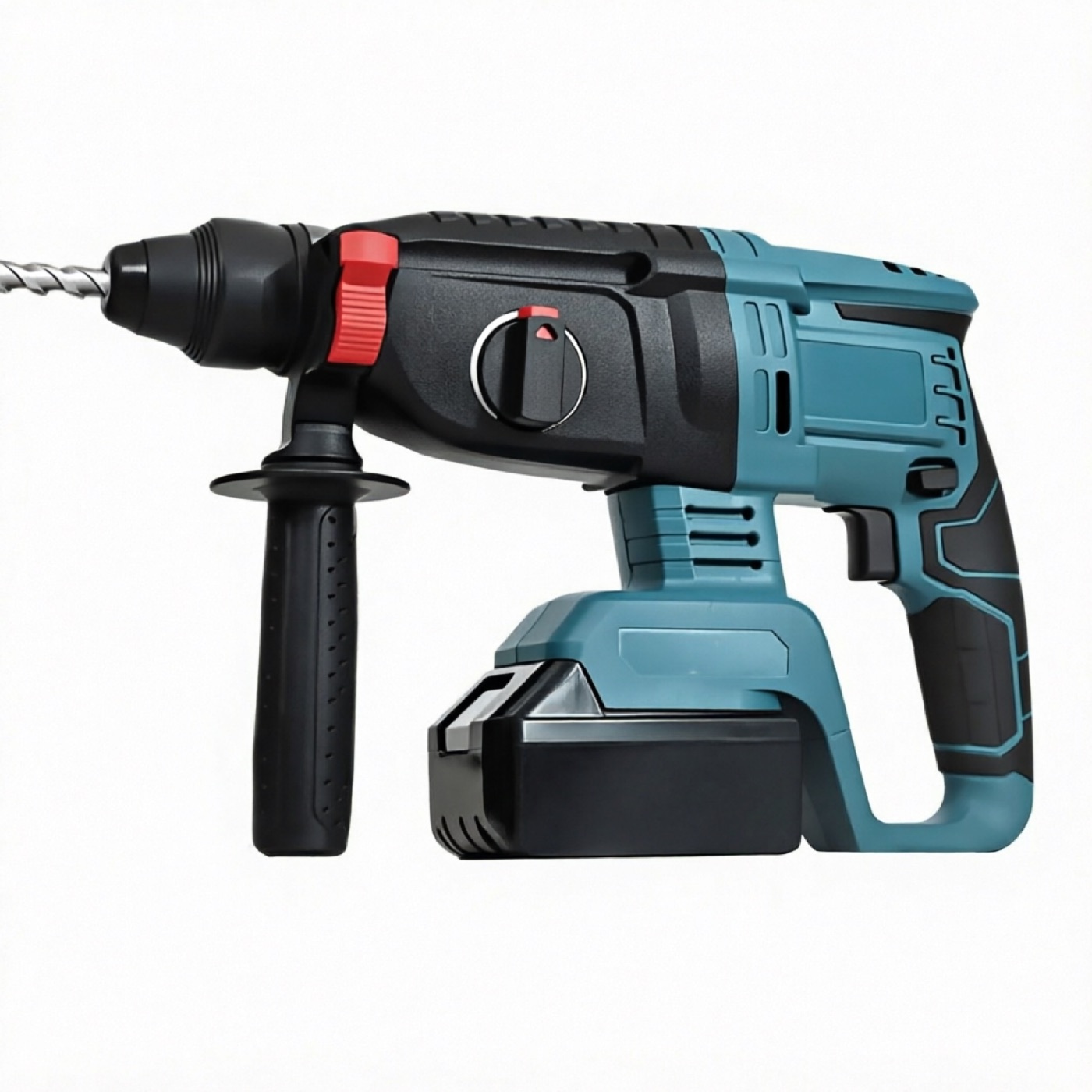
Ask two suppliers for a cordless rotary hammer drill and you will receive two documents that look alike. One is a 36V brushless unit with an SDS-plus chuck and two batteries. The other is a 26V brushed unit with a keyed chuck, one battery and no case. Both are legitimately described as a rotary hammer drill. Both may quote around the same figure, which is exactly why the comparison has to start with the hardware rather than the number.
The first task is therefore not to compare prices but to build a single specification line that both suppliers must fill in identically. Anything a supplier leaves blank is a variable they intend to keep control of, and it will be filled with the cheapest option available at the time of production.
Nine lines that must match before prices can be compared
- Rated voltage and battery capacity in Wh, not only Ah. A 2.0Ah pack at 18V and a 2.0Ah pack at 21V are not the same amount of energy.
- Motor type, brushed or brushless, stated explicitly. This single line can account for a large share of a price difference on otherwise identical tools.
- Declared torque or impact rate, with the test condition. A torque figure without a condition is marketing.
- Chuck type and size. Keyed, keyless and SDS-plus chucks carry different costs and serve different buyers.
- Number of batteries and whether a charger and case are included. A second battery and a moulded case are frequently the entire gap between two quotes.
- Carton grade and print. A plain brown carton and a printed colour box with a colour insert differ substantially in cost at volume.
- Incoterm and named port. An FOB quote and an FOB quote from a different port are not comparable, and a CIF quote hides freight you will pay anyway.
- Payment terms and their financing cost. Thirty percent deposit with seventy percent before shipment is not the same working capital burden as thirty percent against a letter of credit.
- Validity period and the currency clause. A quote valid for fifteen days during a rising cell price is a different offer from one valid for ninety.
What the numbers look like when the hardware is honest
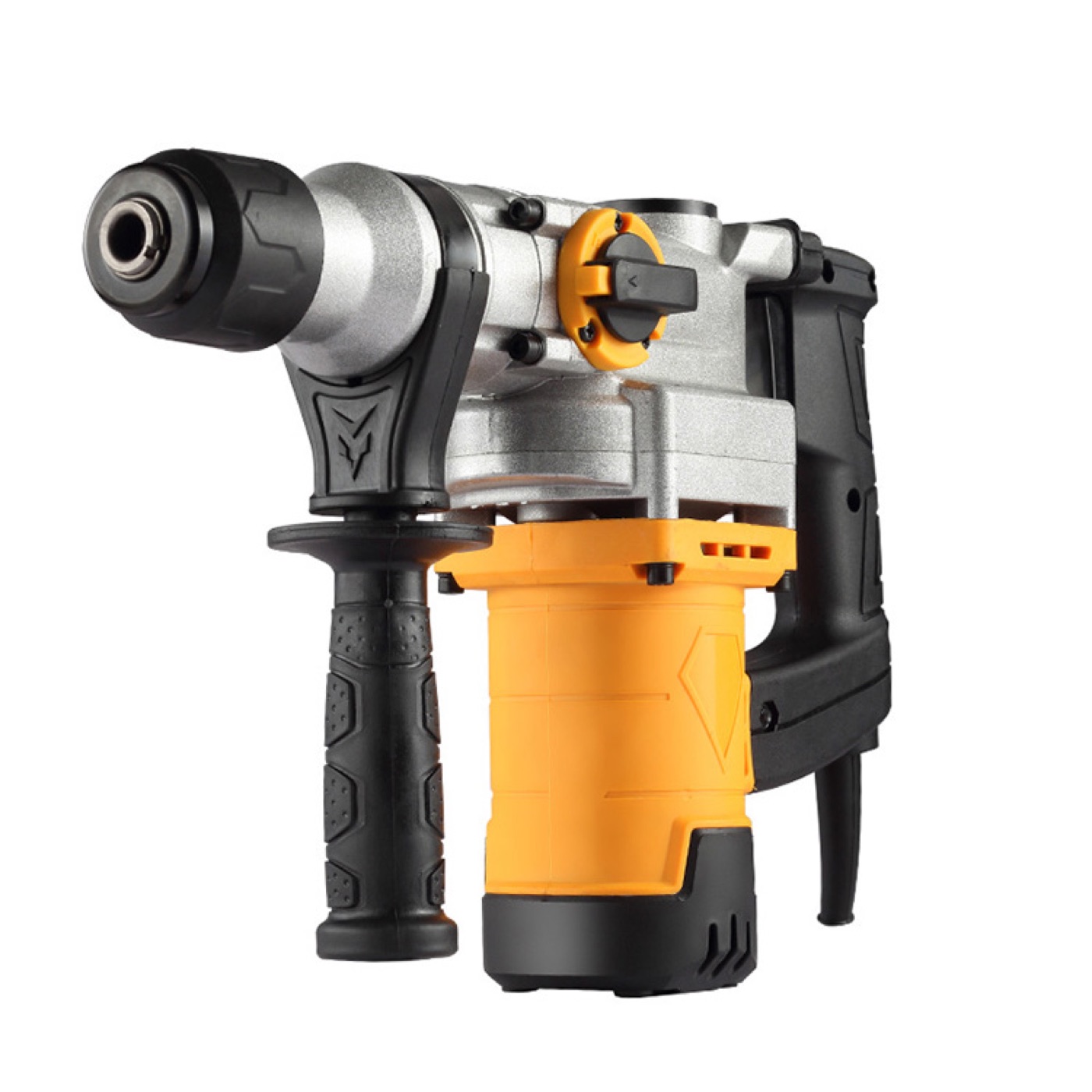
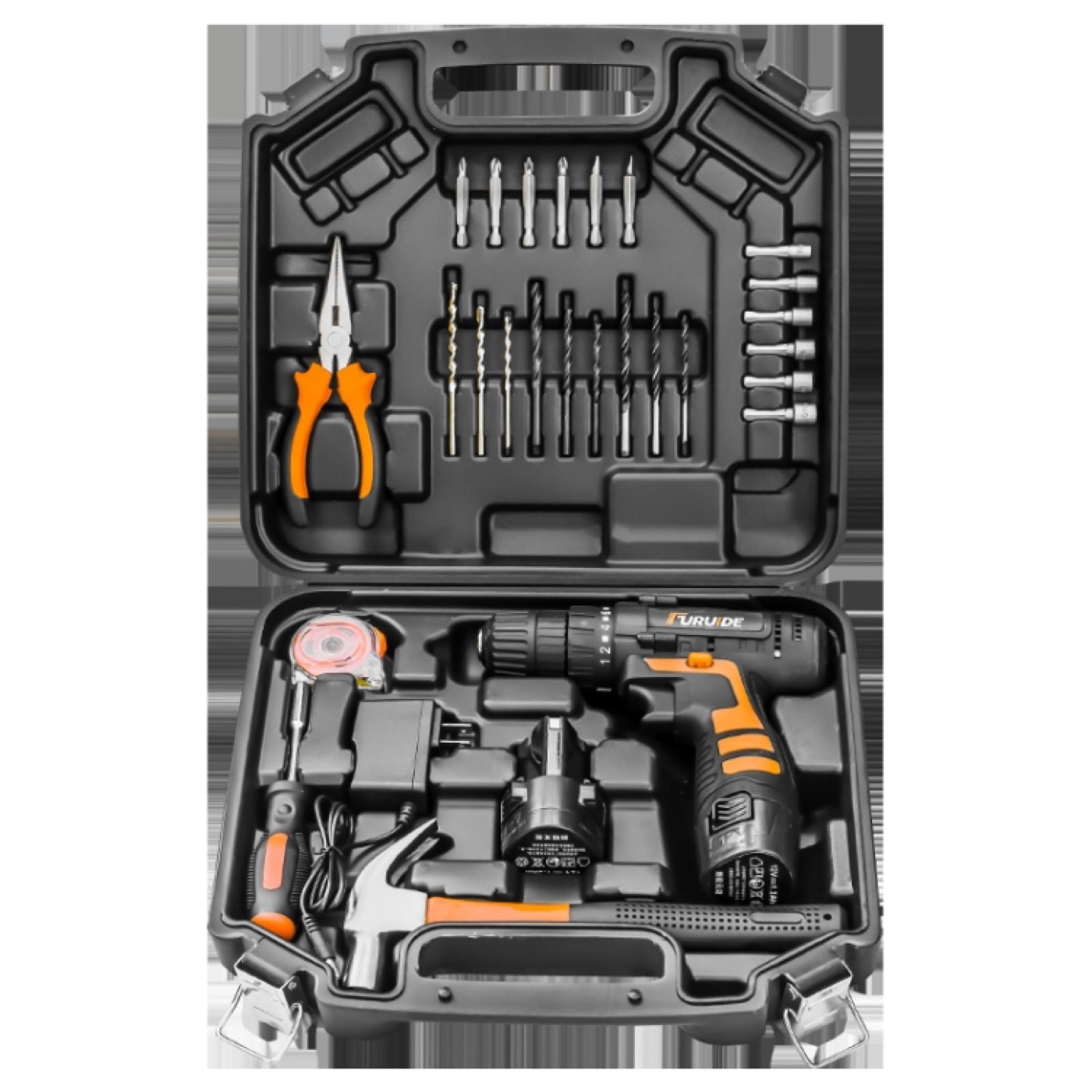
Concrete examples make the point faster than principles. A 1200W professional electric rotary hammer drill set with a full accessory kit is commonly quoted at US$25.00 to US$35.00 per set with a minimum of one set, because the factory is set up for trial orders on that platform. A cordless 36V brushless rotary hammer drill with an SDS-plus chuck typically sits at US$24.00 to US$26.51 at a two-unit minimum, where the pack and the brushless electronics carry most of the cost. An industrial mini impact drill set at 12V is offered at US$13.00 to US$18.00 but with a hundred-set minimum, because that model is built as a promotional volume item rather than a stocked catalogue line.
Read together, those three quotes show why a single price comparison is meaningless. The first is corded and kit-heavy, the second is cordless and pack-heavy, the third is cheap only because the volume minimum is a hundred units. If you put them in one spreadsheet without the minimum quantity and the battery count next to the price, the cheapest line will look like the best decision and will not be.
Compare offers on the cost per delivered tool, not on the number in the price column. The two diverge most exactly where inexperienced buyers look first.
Adding the costs that sit outside the unit price
Once the hardware lines match, the remaining differences are commercial. Build a total landed cost for the same quantity from each supplier: unit price multiplied by quantity, plus packaging upgrade if you need retail cartons, plus inland haulage to the port, plus export documentation, plus the financing cost of the deposit, plus an allowance for the defect rate you expect. That last line is easy to skip and often decides the outcome, because a supplier quoting three percent lower with a history of five percent returns is not cheaper.
Tooling and artwork sit outside this comparison but should not be ignored. If one supplier already holds a mould for the housing you want and the other must cut one, the quotes are not competing on the same basis, and the difference belongs in a separate payback calculation rather than in the unit price.
When the cheaper quote genuinely wins
Sometimes the low offer is simply better. That is most likely when the specification matches line for line, the payment terms are equal or better, the supplier has shown a stable model number across two separate enquiries, and the parts channel answers in numbers. In that situation the higher quote is usually paying for overhead you are not receiving.
- Every hardware line matches, including battery count and carton grade.
- The incoterm and named port are identical.
- Payment terms carry the same working capital cost.
- Both suppliers quoted the same quantity, not one at MOQ and one at volume.
- The spare parts and defect remedies are comparable in writing.
When all five hold, take the lower price and move to sampling. When any one fails, the gap is a specification difference wearing a discount, and the correct next step is a single email asking the cheaper supplier to quote the missing line rather than accepting the number as it stands.