Importers spend most of their planning on the order itself: price, MOQ, carton marks, container fill. After-sales usually gets settled in a single line at the bottom of the proforma invoice, something like a one-year warranty on manufacturing defects. That line is easy to write and almost impossible to honour, because by the time the first failure arrives you no longer control the supply of the part that failed.
The economics are unforgiving in power tools. A cordless drill that sells for a modest margin and comes back in month four does not cost you the margin; it costs the margin plus the return handling plus the replacement unit plus the customer. A single missing switch can turn a profitable line into a loss-making one for a whole quarter. The fix is unglamorous and belongs in the purchase order, not in the complaint email.
What actually fails first
Failure in small power tools concentrates in a short list of components, and that list is stable across factories and price bands. Knowing it lets you order parts by category rather than guessing per model.
- Carbon brushes on brushed motors, which wear predictably with hours of use and are the single most common service item on entry-level tools.
- Switches and variable-speed triggers, especially on tools that see dusty conditions such as angle grinders and cut-off saws.
- Battery packs, where capacity fades before the tool itself fails, and where a pack that cannot be replaced turns a working tool into waste.
- Chucks and spindle assemblies on drills, which fail through runout or through abuse with an oversized bit.
- Power cords and strain reliefs on corded tools, particularly on 1200W class hammers and saws that get dragged across site.
- Blades, discs and bits, which are not repairs at all but consumables that drive repeat visits if you stock them.
The practical consequence is that a parts allowance should be weighted toward the first two items, not spread evenly. It is common to see importers order a proportional mix of every component and end up with shelves of housings and no brushes.
Sizing the allowance without over-ordering
A workable starting point is to calculate the expected service events rather than the expected failures. For a first order of a few hundred units, a parts kit covering roughly two to three percent of units for the high-wear components and around one percent for structural parts is usually enough to get through the first warranty period without air-freighting anything. The exact share depends on the category: grinders and demolition hammers consume switches faster than drills do, and cordless lines consume packs faster than corded lines consume anything.
Order the parts on the same purchase order as the tools. This is the single most effective decision in the whole process, because a parts request placed three months later is a new order with a new minimum, new export paperwork and new freight, and it will arrive after the customer has already given up. Parts added to the original shipment ride in the same carton, cost almost nothing in freight, and are declared consistently.
Consumables are the cheap end of after-sales
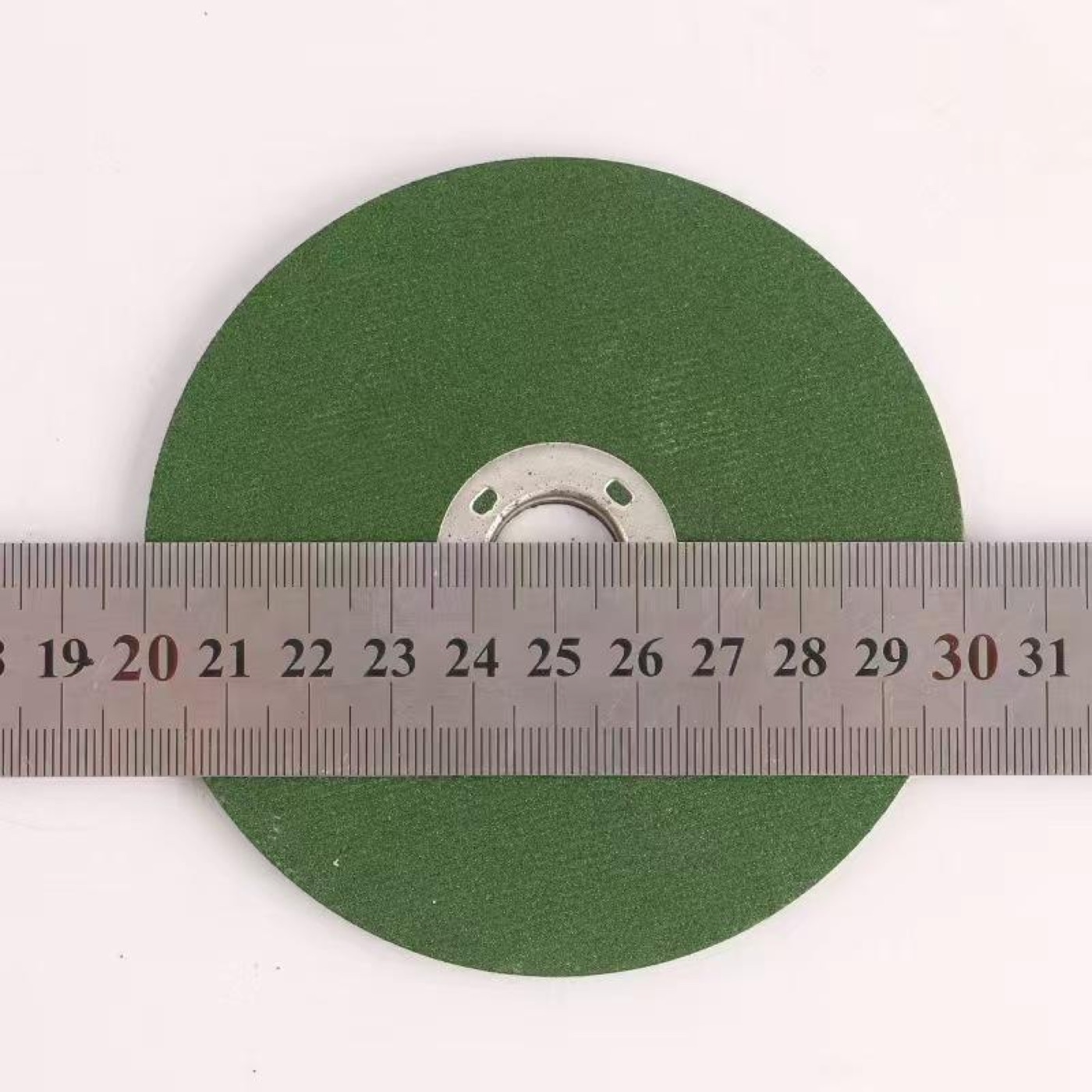
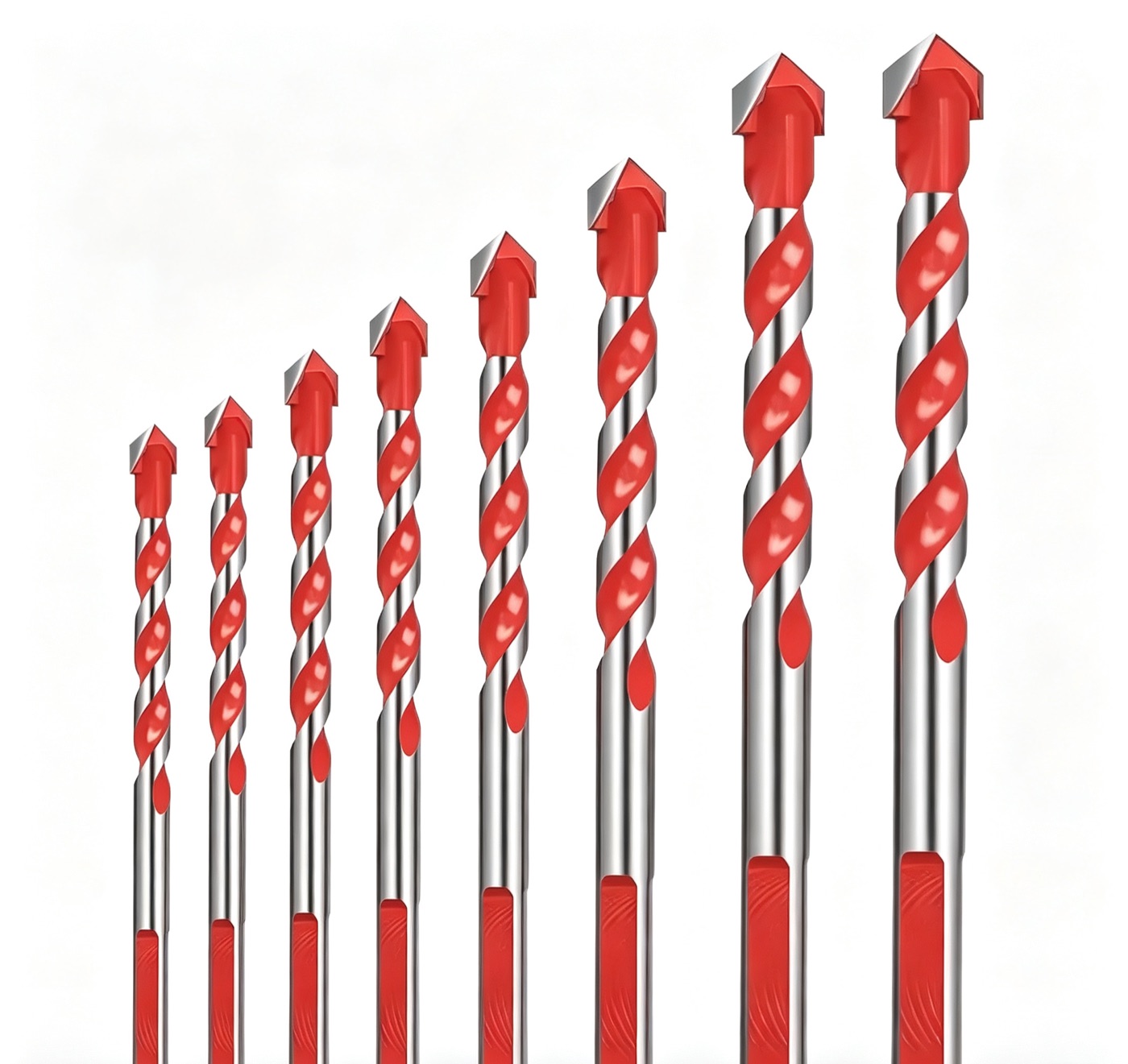
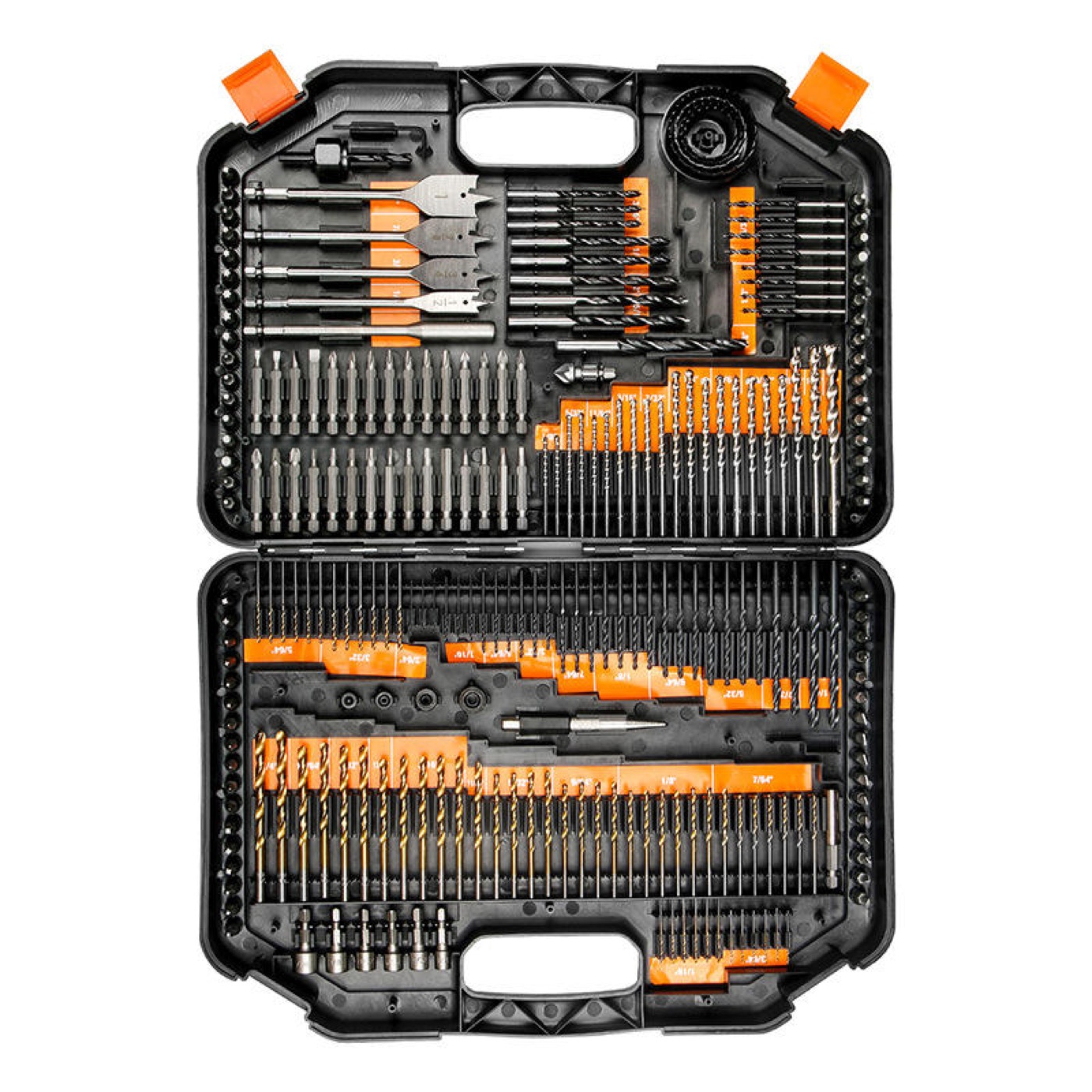
There is a second layer of after-sales that costs very little and performs better than any repair programme: stocking the consumables the tool eats. Abrasive cutting discs and grinding wheels for metal and stainless steel are commonly quoted around US$0.05 to US$0.07 per piece at a ten-piece minimum, which means a modest stock investment covers a large number of customer returns to your page. HSS twist drill bits in the 2.0mm range sit near US$0.93 per unit at a ten-unit minimum, and a 246-piece drill bit combo set for the workshop market is typically quoted at US$20.00 to US$24.50 against a five-set minimum.
Those three lines do two things at once. They give a buyer who has already purchased a tool a reason to order again at low value and low risk, and they absorb the most common "the tool does not work" complaint, which is frequently a worn disc or a dull bit rather than a failed machine. Consumables also ship cheaply, do not need a warranty, and rarely attract the same inspection scrutiny as a powered unit.
The cheapest after-sales programme is the one where the customer's second order is a box of discs, not a warranty claim.
Warranty terms you can actually administer
A warranty is only real if three things exist: a defined period, a defined remedy, and a defined way to obtain the replacement part. Most importer warranty text names the first and omits the other two, which is why it turns into a negotiation on every claim.
Define the period by category rather than uniformly. A professional grinder used daily and a DIY drill used twice a month should not carry the same term, and offering the same number invites claims on the tools that work hardest. Define the remedy as replacement of the failed component or the unit, with the customer responsible for return freight below a value threshold and the importer responsible above it. Then define the parts channel in months, not in promises.
It also helps to separate wear from defect in writing before the first sale. Brushes, discs, blades, bits and battery capacity fade after a stated number of cycles are wear items, not defects. Saying so on the product page prevents the argument that otherwise arrives with the first returned grinder.
A pre-shipment checklist for after-sales
- Parts kit ordered on the same purchase order as the tools, with unit prices and quantities listed separately.
- Wear-item list agreed in writing, naming brushes, switches, packs, chucks, cords, discs and bits as applicable.
- Warranty period defined per category, with the remedy and freight responsibility stated.
- Replacement parts lead time confirmed in writing, including the lead time for a second order.
- Consumable range selected so a customer can reorder at low value without a new minimum.
- Exploded diagrams or parts lists obtained for each model, so a future claim can be identified by part number.
- Return process written down, including who inspects, who decides, and within how many days.
None of this requires a service centre or a technician. It requires that the parts exist in your warehouse before the customer needs them, that the warranty language matches what you can physically deliver, and that the consumable range gives a disappointed buyer something cheaper to do than file a claim.