Almost every importer asks this question in the same form: is it cheaper to buy tools through an agent, or to deal with the factory directly? The honest answer is that the quoted unit price is the worst possible way to compare the two routes. The direct route always looks cheaper at quotation stage, because the agent's fee sits visibly on top of a price that the factory route hides in other places: sampling, inspection, consolidation, documentation, and the weeks of your own time spent chasing a supplier who has never exported before.
The useful comparison is total cost per acceptable unit landed at your warehouse, not cost per unit on a proforma invoice. Those two numbers can point in opposite directions depending on how many SKUs you are buying, how often, and how much of the sourcing work you intend to do yourself.
What the two routes actually charge you for
An agent is paid in one of two ways, and the difference matters more than the percentage. Either you pay a commission on the order value, or the agent quotes you a price that already contains a margin they do not disclose. The first is auditable and the second is not. Whichever model you are offered, ask for the factory's own quotation alongside the agent's, so the gap between the two is a number you can see rather than a feeling you have.
A direct factory charges you the FOB price and nothing else on paper. What it does not charge in money it charges in exposure: you carry the sampling cost, the inspection cost, the risk of a specification that was understood differently on each side, and the cost of a container that arrives with three pallets of the wrong carton print. None of that appears on a quotation, and all of it appears in your margin.
- Ask whether the fee is a commission on FOB value or a markup inside the quoted price, and get the answer in writing.
- Confirm whose name is on the proforma invoice and who is the shipper on the bill of lading, because that determines who you have recourse against.
- Establish who pays for the pre-shipment inspection and who selects the inspector.
- Agree who owns any tooling, moulds or print cylinders paid for during the order, and get it stated in the contract rather than in an email.
- Confirm which documents the supplier or agent will issue: packing list, commercial invoice, declaration of conformity, battery test summary where relevant.
- Check whether the price holds for the full production lead time, or only for the quotation validity window.
Where an agent earns the fee back
The agent model stops being expensive at the point where your order stops being simple. A first order that spans cordless tools, hand tools and garden equipment from three different factories is exactly the profile where a factory-direct approach quietly fails, because no single factory will consolidate three product families, and managing three separate exports, three sets of documents and three payment trails is a job in itself. An agent who already holds those relationships converts three shipments into one and three specification conversations into one.
The same logic applies to specification translation. A buyer who cannot read a Chinese specification sheet and a factory salesperson who answers with a photo instead of a written parameter will produce a misunderstanding, and the misunderstanding is discovered at the container, not at the sample stage. An agent who writes the specification down and gets it confirmed is charging for error prevention, which is cheap compared with a rejected batch.
A fee you can see is easier to negotiate than a mistake you cannot. The question is not whether the agent is paid, but whether what they are paid for is work you would otherwise have to do badly.
Where the direct factory route wins
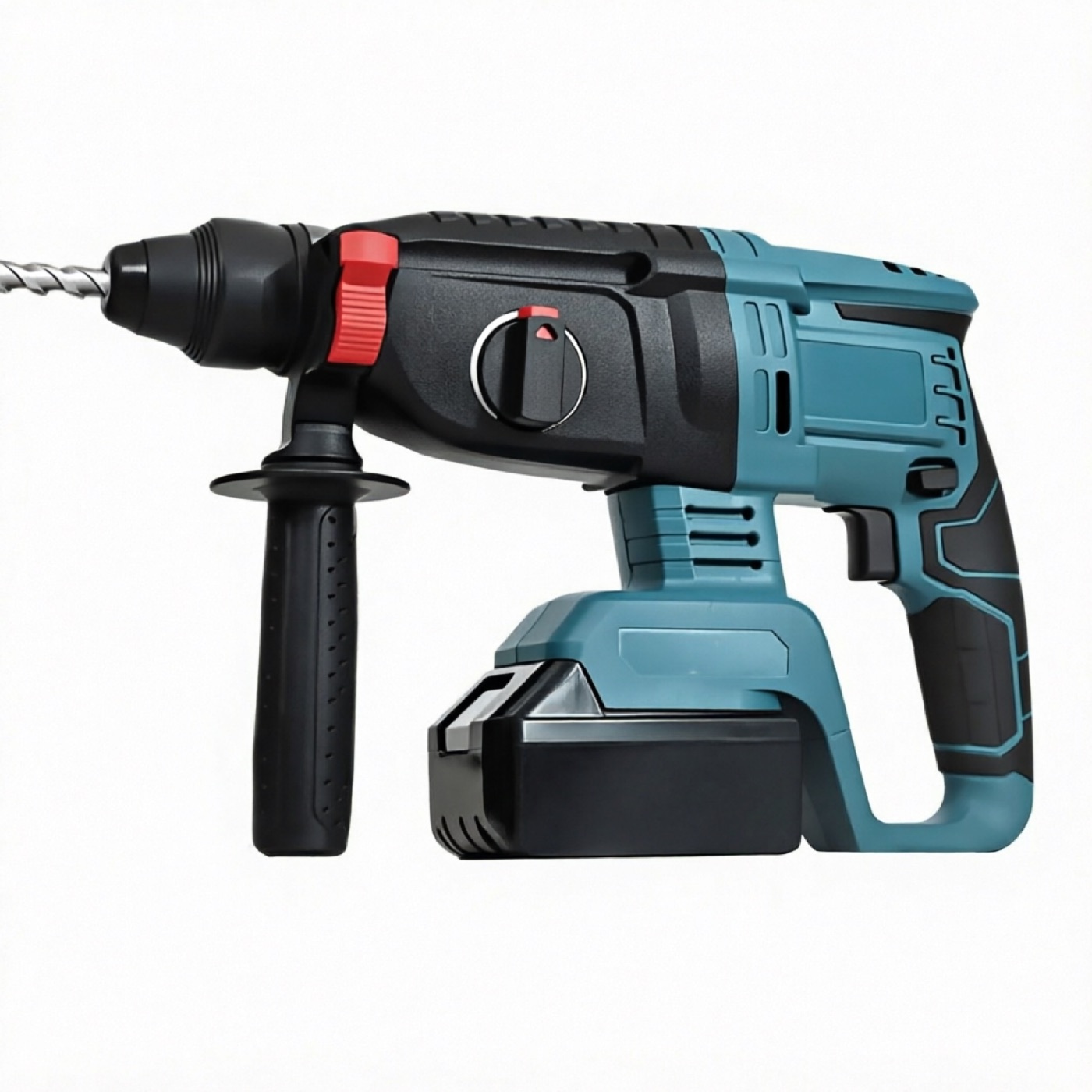
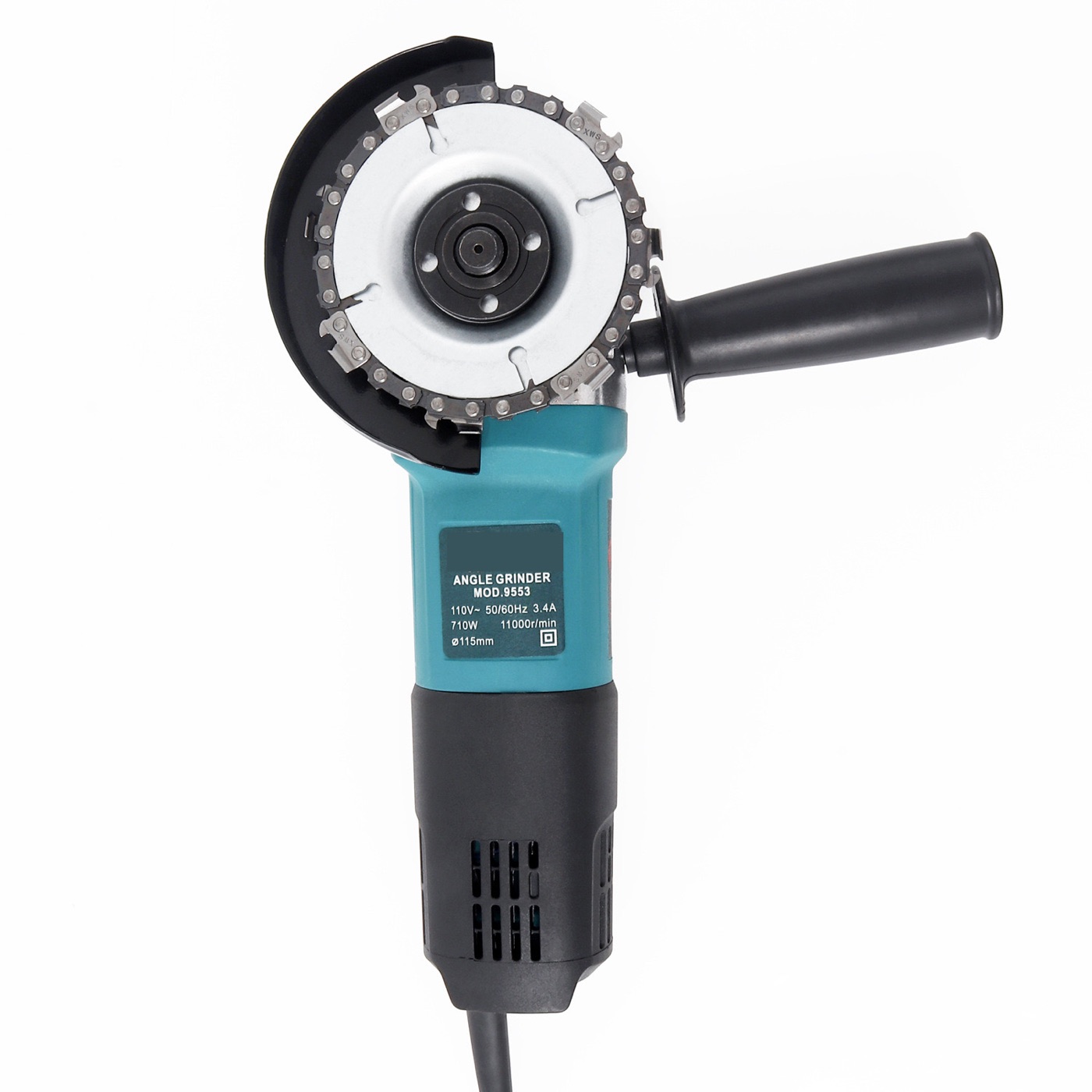
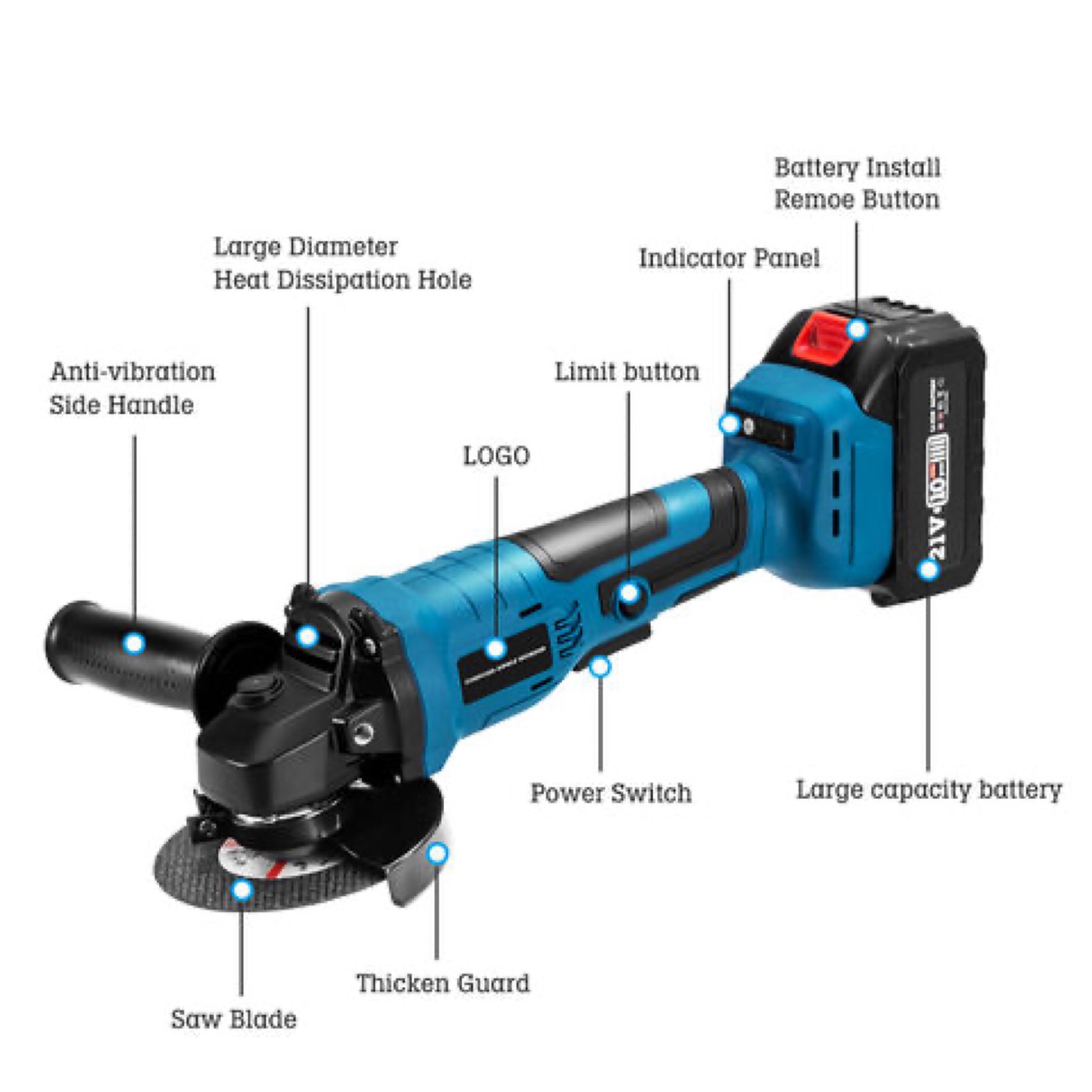
Direct sourcing wins clearly once your order is concentrated, repetitive and specified in writing. If you buy one product family from one factory, in quantities that meet their minimums, on a repeat cycle, the agent's coordination work disappears and the fee becomes pure overhead. Consider a cordless rotary hammer listed at US$24.00 to US$26.51 per unit with a two-piece minimum: that minimum is low enough that a buyer can place a real trial order directly, evaluate the tool, and only then discuss volume. A professional angle grinder in the 100mm and 115mm class sits at US$20.00 to US$24.00 per set with a fifty-set minimum, and a 21V cordless angle grinder at US$30.00 to US$35.00 per set at the same fifty-set minimum. Those are order sizes a single distributor can absorb without needing anyone to consolidate anything.
The direct route also wins on information. Dealing with the factory means you hear about a component change, a lead time slip or a carton revision from the source, usually earlier than an agent would pass it on. For a buyer building a long-term private label line, that early warning is worth more than the fee.
Order profile one: small, mixed, first-time
Several categories, quantities near the minimum, no established supplier relationships. The agent route usually lands cheaper once inspection and consolidation are priced in, and it protects you from the most expensive beginner error, which is paying a deposit to a trading company that presented itself as a factory.
Order profile two: one family, repeat cycle
One product family, quarterly repeats, written specifications, a factory you have already visited or audited. Go direct. At this point you are paying an agent for coordination you no longer need, and you are one step removed from the people who control your lead time.
Order profile three: private label with tooling
Custom housing, printed cartons, a mould or a colour change. This profile is decided less by fee than by ownership: who holds the mould, who holds the artwork files, and what happens to both if you change supplier. A direct factory relationship gives you cleaner ownership, provided you insist on a written tooling clause. An agent can also work here, but only if the tooling is registered to you rather than to the agent's own company.
A checklist before you commit to either
- Write the specification as parameters, not adjectives: voltage, capacity, no-load speed, chuck size, motor type, pack count, carton dimensions.
- Get the same specification quoted by at least two suppliers on the same Incoterm, otherwise the comparison is meaningless.
- Ask each supplier which components they changed to reach their price, and expect a specific answer.
- Decide who inspects, and inspect before the balance payment, not after.
- Price the cost of one rejected batch into both routes before deciding which is cheaper.
- Confirm the payment structure: deposit percentage, balance trigger, and what document releases the balance.
Testing the direct route without risking the order
You do not have to choose between the two routes permanently. A practical sequence is to run the first order through an agent to get the specification, packaging and documentation right, then take the same specification to two or three factories directly for the second order, using the agent's price as your benchmark. If the direct quotations come in below that benchmark and the factories answer the technical questions properly, the direct route has earned the order. If they cannot answer the questions, the fee was doing real work.
Whichever route you take, keep the specification document under your own control. The suppliers change, the fee structures change, and the shipping lines change; a specification you own is the only asset that carries across all of them.