Three numbers decide whether a tool order is workable: the minimum order quantity, the trade term and the payment structure. They are usually negotiated together and almost always misunderstood separately, which is why two buyers can receive the same unit price and end up with very different total costs.
Why the MOQ sits where it does
Minimum order quantity is not an arbitrary obstacle. It is derived from three cost structures inside the factory, and knowing which one is binding tells you whether it can be negotiated.
- Component minimums: motors, controllers, switches and battery cells are bought by the factory in batches, so a small order can mean buying a full component reel for a fraction of it.
- Packaging minimums: a printed colour box carries a plate charge and a minimum print run, and on small orders the packaging often costs more than the tool.
- Setup time: tooling changes, moulding runs and assembly line changeovers consume fixed hours regardless of order size.
- Colour and variant splits: MOQ is frequently quoted per model and per colour, so three colours can mean three minimums rather than one.
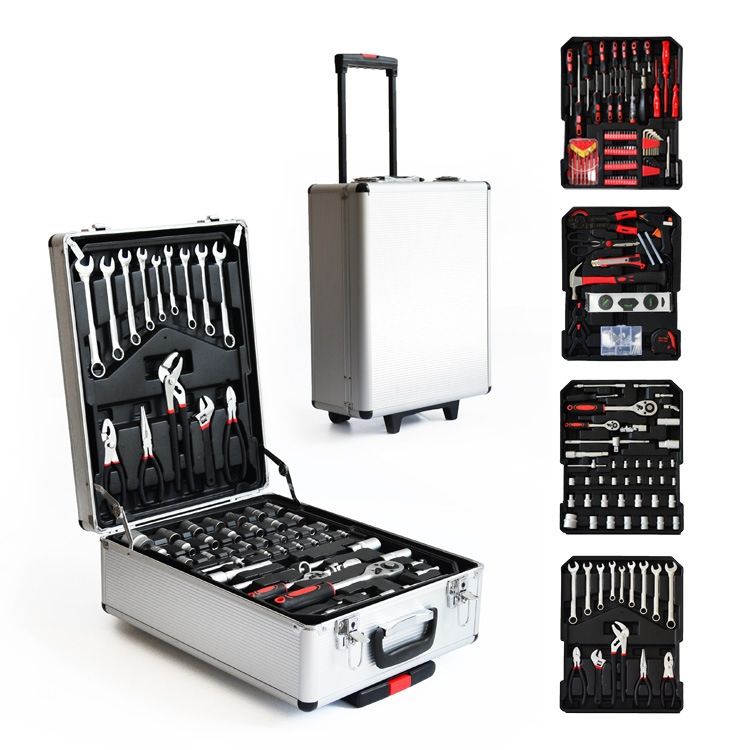
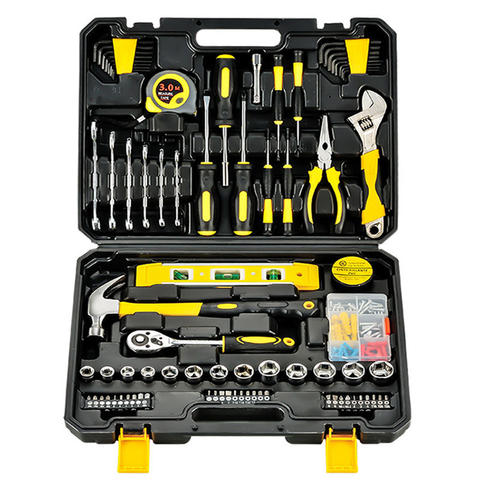
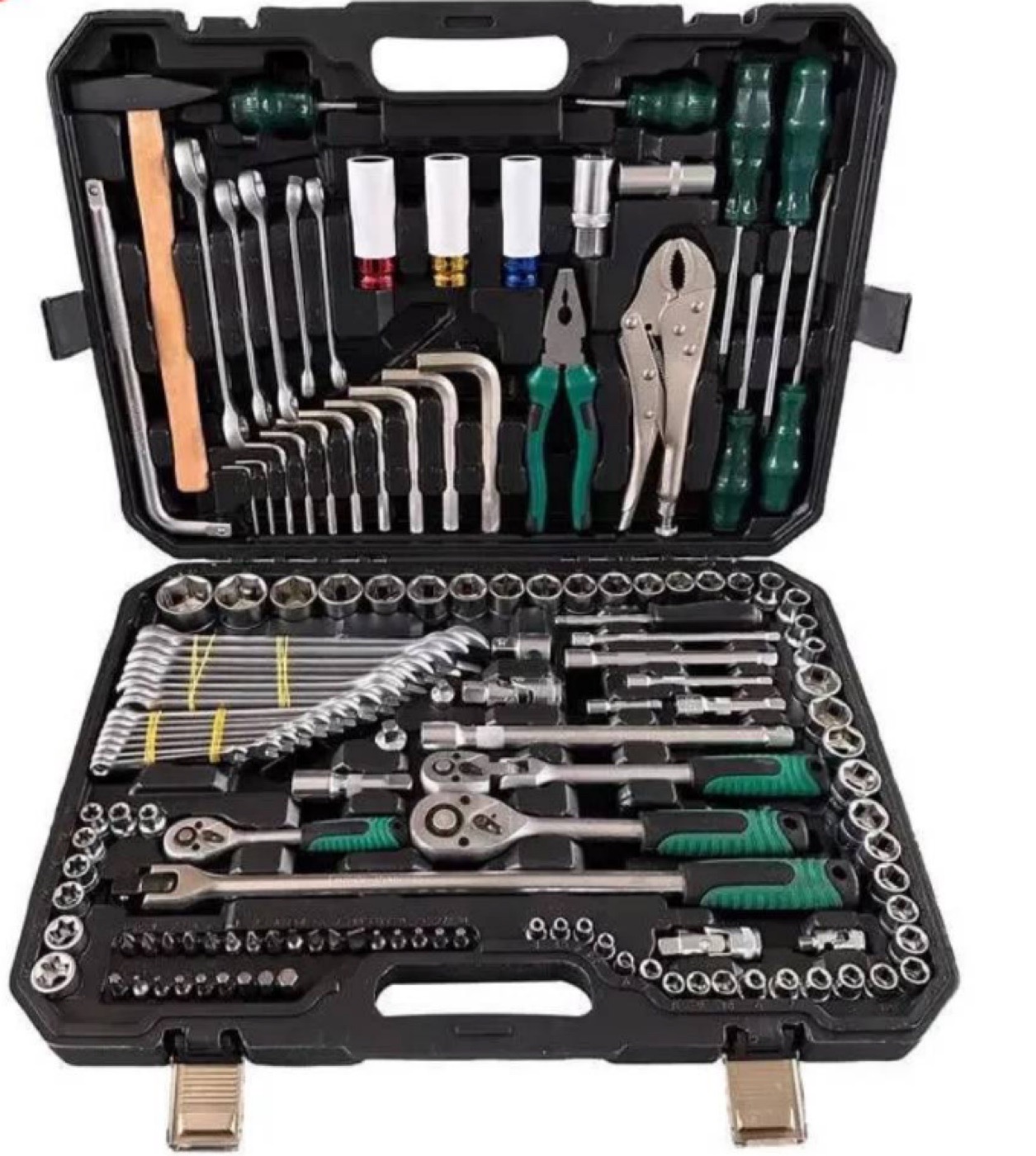
This is why MOQ varies so widely between categories rather than between suppliers. In a typical tool catalogue, a 499 piece combination tool set and a 108pcs mechanic tool set for car repair are both quoted at a minimum of one set, because the set is assembled from stocked components. A household tool set is quoted at fifty sets, and a telescopic tape measure at fifty sets, because both involve a packaged assembly. An impact screwdriver sits at one hundred sets, the highest in the group, because it is a high-volume consumer item where a small run is not economic to set up.
How to reduce an MOQ
- Consolidate colours: pick one colourway for the first order and add variants later, so you pay one minimum rather than three.
- Accept standard packaging: plain or existing cartons often remove the binding constraint entirely.
- Mix models within one order: many suppliers will accept a lower per-model minimum if the total order value is met.
- Ask which constraint is binding: if the limit is packaging rather than components, the conversation is short and the answer is often yes.
- Separate the sample order from the production order: samples are usually available below MOQ at a higher unit price, and are the right way to test before committing.
FOB, EXW and DDP: what actually changes
The trade term decides where your cost and your risk stop, and it changes the comparison between two quotations more than the unit price does.
- EXW: you collect from the factory. Cheapest on paper, and the one that leaves you arranging inland transport, export clearance and loading yourself, usually at a worse rate than the factory pays.
- FOB: the supplier delivers to the port and clears export. This is the most common basis for tool orders and the easiest to compare between suppliers.
- CIF: the supplier also pays ocean freight and insurance to your port. Convenient, but you cannot see how much of the price is freight, so it becomes hard to compare suppliers.
- DDP: the supplier delivers to your door with duties paid. The most convenient and the least transparent, and the one where the supplier is carrying compliance obligations on your behalf.
- Incoterms version: always confirm which edition is being used, because the split of obligations has changed between versions.
Two quotations in different trade terms cannot be compared on the unit price. Convert both to the same basis first, then compare.
Structuring payment so neither side carries everything
Payment structure is the part of the negotiation where a first-time buyer has the most leverage and uses it least.
- Deposit and balance: the most common arrangement, with a deposit against production and the balance against the bill of lading copy. The critical detail is what the balance is released against, so state it precisely.
- Inspection as a payment condition: making the balance conditional on a pre-shipment inspection report is standard practice and protects both sides.
- Letter of credit: workable for larger orders, but confirm which documents the bank will require, because a mismatch between the credit terms and the shipping documents is the usual cause of delay.
- Open account: normally reserved for established repeat relationships with a track record, not a first order.
- Currency and banking charges: confirm the invoicing currency and who pays the transfer fees, since these can move the effective cost by more than a small price negotiation.
Negotiation levers that do not touch the unit price
Buyers default to arguing about the unit price, which is usually the least flexible number on the table. The more productive levers sit in the terms around it.
- Payment split: moving the balance from against the order to against the bill of lading copy costs the supplier nothing and removes your largest exposure.
- Consolidation: combining models into a single shipment can reduce per-unit freight by more than a small price concession is worth.
- Seasonal timing: placing the order outside the factory peak period often buys both a better date and a better price.
- Repeat commitment: naming a second-order volume in the same negotiation is the most effective way to move an MOQ or a price.
- Scope clarity: removing options you do not need, such as a second battery or a carry case, lowers the cost without asking for a discount.
Terms that belong in the purchase order
A quotation covers price. A purchase order should carry the rest: the exact model and variant, the specification and any test reports it depends on, the packaging and carton marking, the trade term and named port, the inspection arrangement, the lead time with its starting point, the price validity, the warranty term and the spare-parts arrangement. Most disputes about tool orders are not about the price that was agreed. They are about the details that were never written down, and those details are cheapest to settle before the deposit rather than after the container has sailed.