Certification is the point where a tool sourcing project stops being a purchasing exercise and becomes a compliance one. It is also the most expensive thing to get wrong, because a model that cannot clear the destination market cannot be sold at any price, and the cost of finding out too late is the entire order.
The critical point is one of sequencing. Certification is not applied to a finished tool. It constrains the design, the components and the labelling from the beginning, which is why the most useful time to ask about it is before the quotation, not before the shipment.
The certification map by market
Requirements vary by destination, and a tool built for one market frequently cannot simply be relabelled for another.
- European Union: CE marking, covering the Low Voltage Directive, the EMC Directive and RoHS, with the applicable harmonised standards for the tool type.
- United Kingdom: UKCA marking, which in practice runs in parallel with CE requirements but requires separate documentation.
- United States: electrical safety listing through a recognised testing laboratory, alongside FCC requirements for anything with an electronic drive or a radio component.
- Middle East: market-specific conformity schemes; the Gulf states operate their own registration programmes that require a test report from an accredited laboratory.
- Africa: several markets require pre-shipment conformity verification, arranged before the goods leave the factory rather than on arrival.
- Everywhere: the destination plug, the rated voltage label and the instruction manual language must all match the market.
What CE actually requires for a power tool
CE is not a single certificate issued by a single body for most power tools. It is a declaration that the product meets the applicable directives, supported by a technical file that must be available on request.
- Low Voltage Directive: governs the electrical safety of mains-powered tools, and is where insulation class and creepage distances are assessed.
- EMC Directive: governs both emissions and immunity, and is the directive most often failed by cordless tools with switching power electronics.
- RoHS: restricts specified hazardous substances in electrical and electronic equipment, and reaches into solder, plating and cable insulation rather than only the obvious components.
- Technical file: the drawings, component lists, test reports and declaration of conformity that support the marking. This is the document a customs or market-surveillance authority will ask for.
- Declaration of conformity: issued by the manufacturer or importer, naming the directives and the standards applied.
Because EMC is a common failure point for cordless tools, the controller and the switching components are effectively specification items rather than commodities. A cheaper controller can move a model from certifiable to not certifiable, and that change is invisible in a catalogue photograph.
Lithium batteries: the documents that travel with the goods
Cordless tools introduce a second compliance layer that has nothing to do with the destination market and everything to do with transport. Lithium cells are classified as dangerous goods, and the paperwork is checked by the carrier before loading, not by the buyer.
A container of cordless tools can be blocked at the port by a missing transport document, even when every market certification is in order.
- UN 38.3 test summary: the transport test report for the cell and the pack, and the document carriers ask for first.
- Safety data sheet: the material safety documentation for the battery as shipped.
- Transport classification: the UN number, packing instruction and state of charge declaration applicable to the shipment.
- Packaging compliance: the requirement that cells and packs are protected against short circuit and, where applicable, shipped at a reduced state of charge.
- Battery directive obligations: the registration and labelling duties that fall on the importer rather than the factory once the goods enter the destination market.
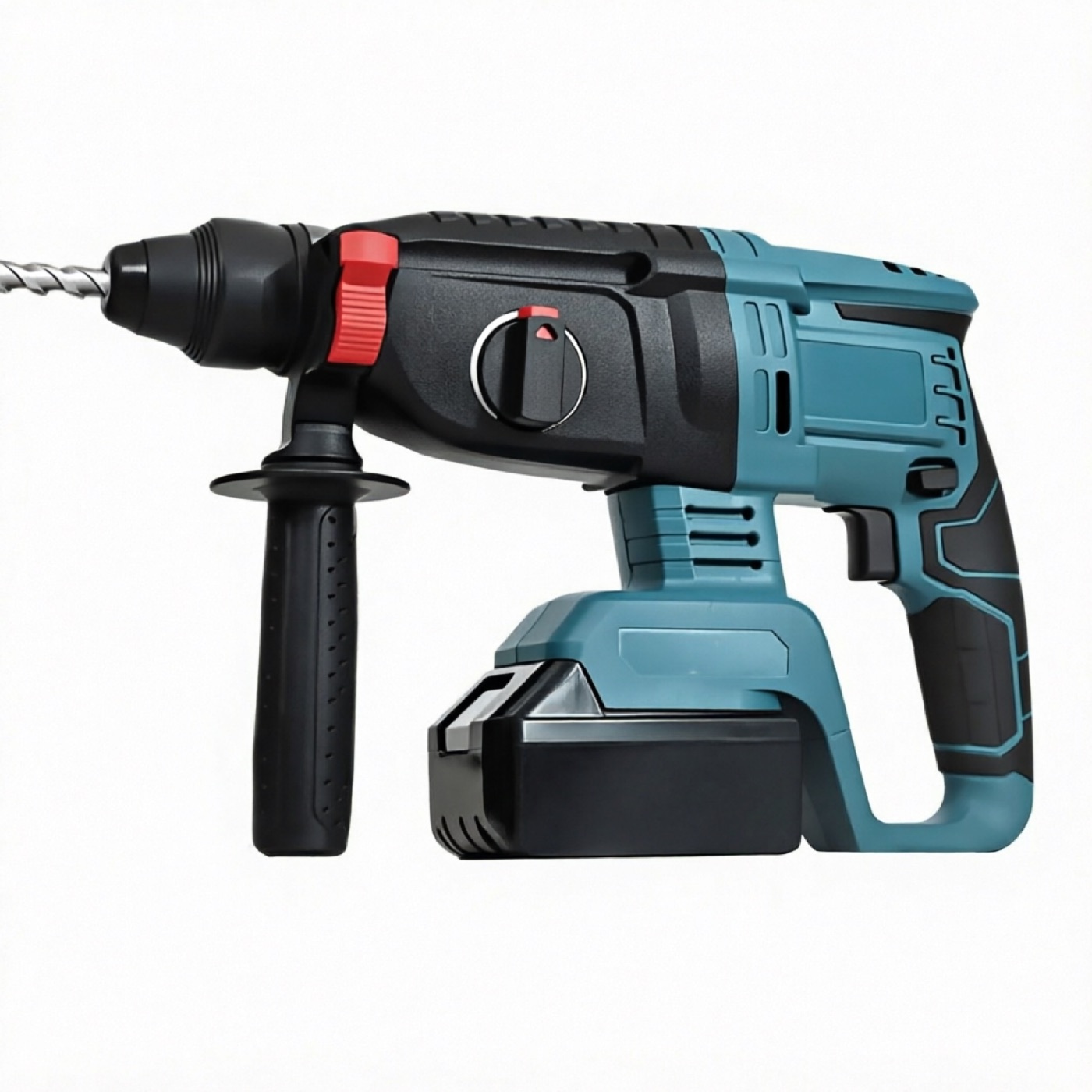
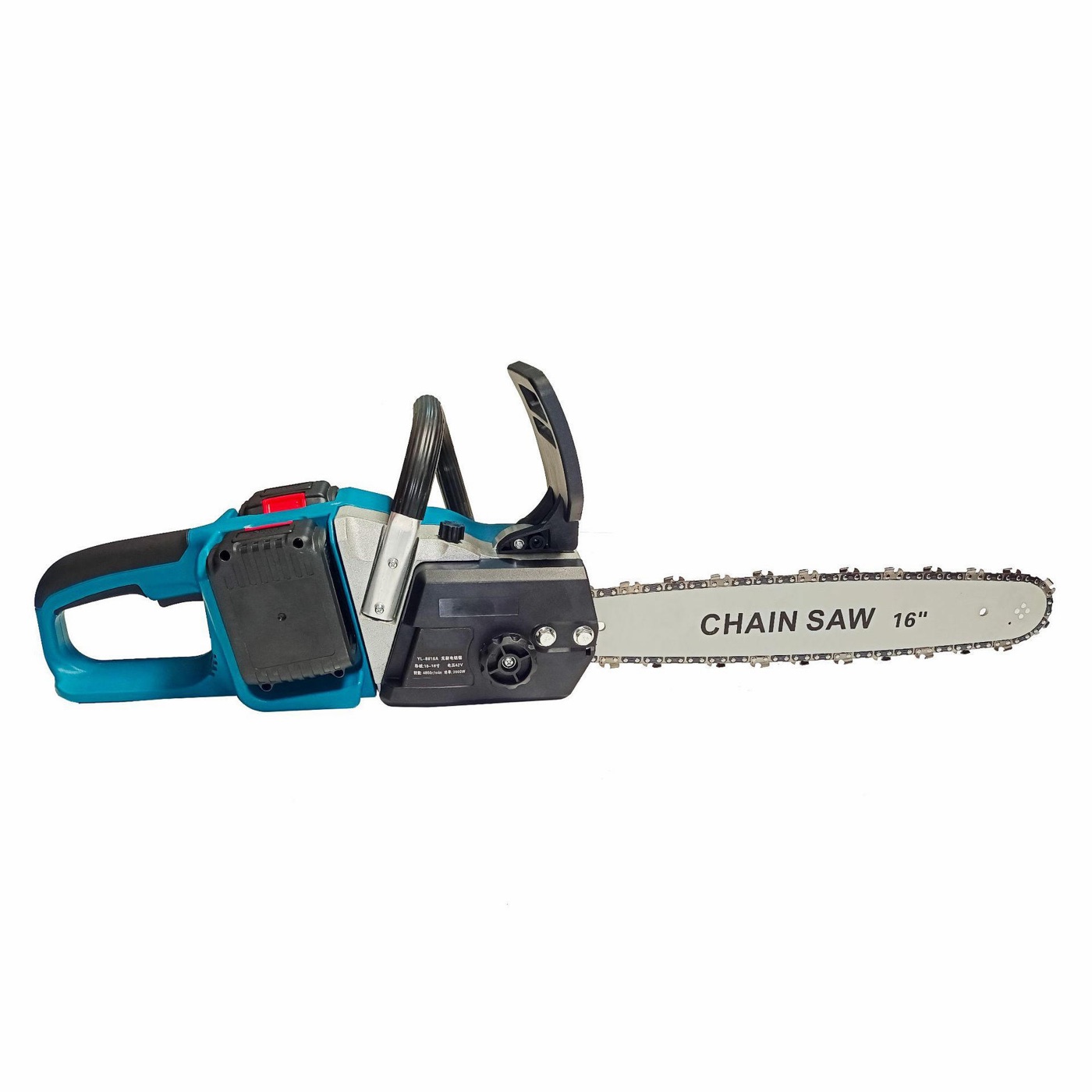
For reference, cordless models in a typical catalogue range from the cordless 36V brushless rotary hammer with an SDS Plus chuck at US$24-26.51 for two units, up to the heavy duty 16 inch cordless lithium chainsaw at US$35.50-38, MOQ one piece. Every unit in that band carries the same transport documentation obligation, which is why it is worth settling the battery documents once, at the range level, rather than per shipment.
Documents to ask for before you order
- The test report for the exact model and the exact voltage variant being quoted, not a similar model or a different variant.
- The declaration of conformity listing the directives and standards applied, with the model designation matching the quotation.
- The UN 38.3 test summary for the battery pack actually supplied, identifying the cell maker.
- The rating label artwork and the manual, so you can check the plug, the voltage and the language before production.
- Confirmation of which conformity route applies in your market, and who is named as the importer of record.
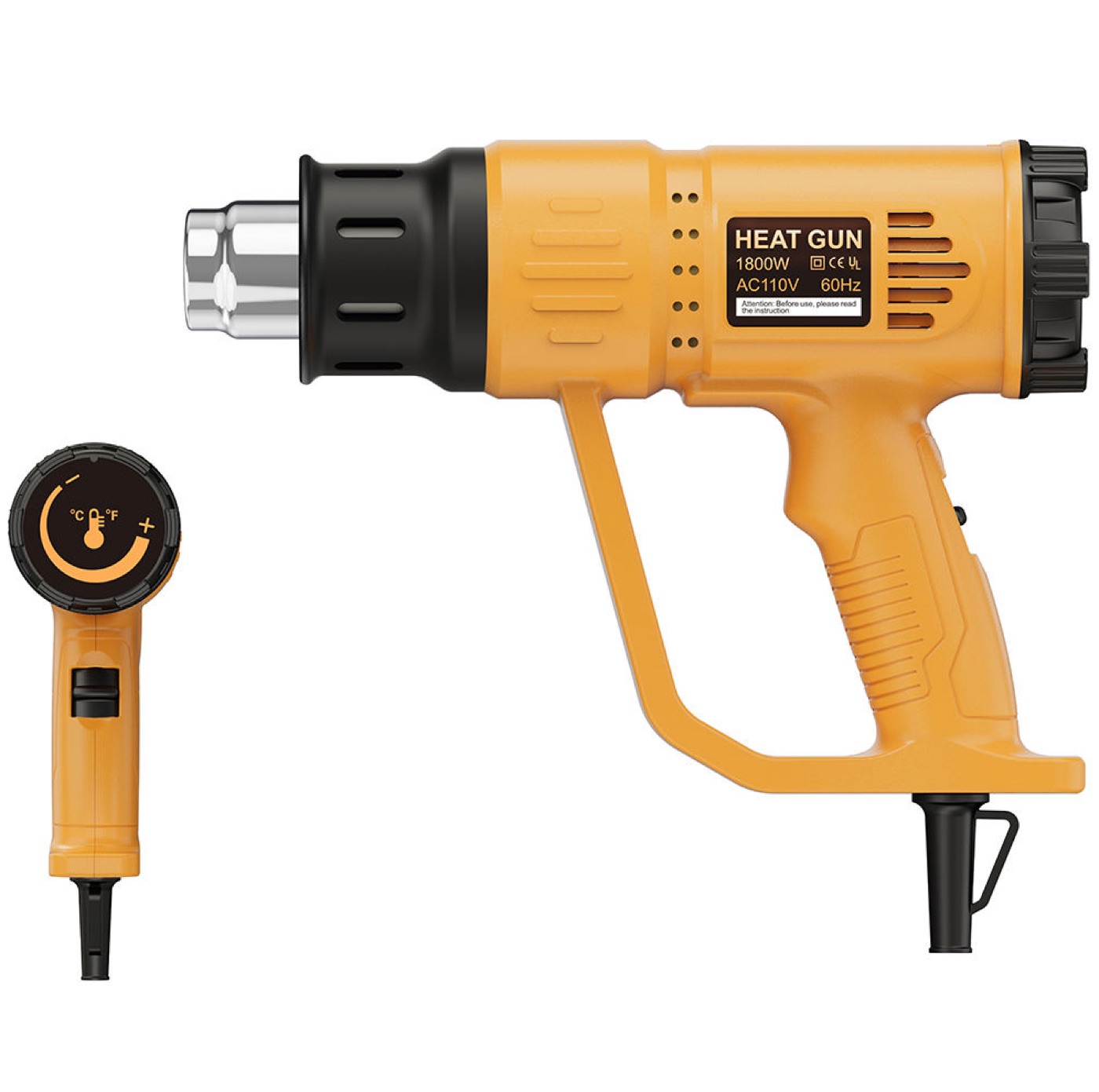
Mains-powered models fall under the same European framework. The 1600W/1800W/2000W hot air gun with a digital display is listed at US$8-10 with an MOQ of one hundred sets, and as a Class II mains tool it needs the full Low Voltage and EMC file before it can carry a CE mark. The practical test is simple: ask to see the file for the model you are quoting, and check that the model designation on the report matches the quotation exactly.
The three questions worth asking
Ask which certification route applies in your specific market and who is named as importer of record. Ask whether the controller and the battery cells specified in the quotation are the same ones covered by the existing test reports. And ask what happens to the certification cost if the housing or the electronics change after testing. Suppliers who answer all three precisely are describing a process they run routinely; suppliers who answer vaguely are describing a process you will end up managing yourself.