OEM and ODM are among the most loosely used terms in tool sourcing. Suppliers apply both labels to the same service, and buyers frequently assume the difference is cosmetic. It is not. The difference decides who owns the mould, who pays for certification, how long the project takes, and who carries the loss if the product does not sell.
Understanding which one you are actually buying is the first step to pricing a private-label tool programme realistically.
What the two terms mean in practice
In tool manufacturing the distinction turns on where the design comes from.
- ODM: the factory already owns a finished design, including the housing mould, the motor and controller specification and the internal layout. You select from it and apply your own branding, colour and packaging.
- OEM: you bring the design or the specification, and the factory builds to it. You are usually funding the tooling.
- A third, common middle case: a factory design modified for you. This is often marketed as OEM but carries neither the tooling cost nor the exclusivity of a true original design.
The middle case is where most disputes originate, because the buyer believes the design is exclusive to them while the factory continues to sell the same platform to other customers in other markets.
Where the money actually goes
Private-label projects fail on budget far more often than on quality. The unit price is only one of five cost lines, and it is rarely the largest on a first project.
- Tooling: housing moulds are the dominant one-off cost in a true OEM project, and they are usually paid before production starts.
- Certification: testing is per model and per market. Redesigning a housing after certification means paying for it twice.
- Packaging: colour boxes carry a plate or printing setup charge and a minimum run, often well above your first order quantity.
- Compliance documentation: manuals, rating labels and safety markings must be generated per market and per language.
- Inventory risk: an original design that does not sell cannot be liquidated through the factory's other customers, because it exists only for you.
By contrast, an ODM platform spreads all five of those costs across every buyer of that design, which is precisely why the unit price is lower and the lead time is shorter.
Certification is where OEM projects go wrong
A recurring and expensive mistake is treating certification as a paperwork step to be handled after the design is frozen. In electrical tools, certification is a design input. Creepage distances, insulation class, thermal cut-out behaviour and component selection all determine whether a model can be certified at all, and changing any of them late restarts the process.
Certification is not a document you order at the end of a project. It is a constraint you design against from the first sketch.
This is the strongest practical argument for choosing an ODM platform for a first private-label range: the design has already cleared those constraints, and your certification cost becomes a repeat test rather than a development programme.
A realistic timeline for each route
Buyers routinely underestimate OEM timelines because they price the tool and forget the project around it.
- ODM with your branding: typically design selection, artwork and packaging approval, then production. The dominant variable is packaging lead time, not the tool.
- OEM on an existing internal platform: adds tooling manufacture and a first-article approval round before production can start.
- OEM on a genuinely new design: adds prototyping, iterative testing and full certification, and should be planned in quarters rather than weeks.
- In all three cases, add time for the first-article sample to reach you, be evaluated, and be approved in writing.
Choosing between them
The decision is usually driven by how much differentiation your market genuinely rewards, measured against how much risk you can absorb.
- Choose ODM when you are testing a new market, when your volumes are still unproven, or when speed to shelf matters more than a unique silhouette.
- Choose OEM when you already sell a range at volume and a differentiated housing or feature set defends real margin.
- Choose the modified-ODM middle route when you need branding and colour differentiation but not a new mould. Ask explicitly whether the platform is shared, and get the answer in writing.
- In every case, confirm who owns the tooling and what happens to it if the relationship ends.
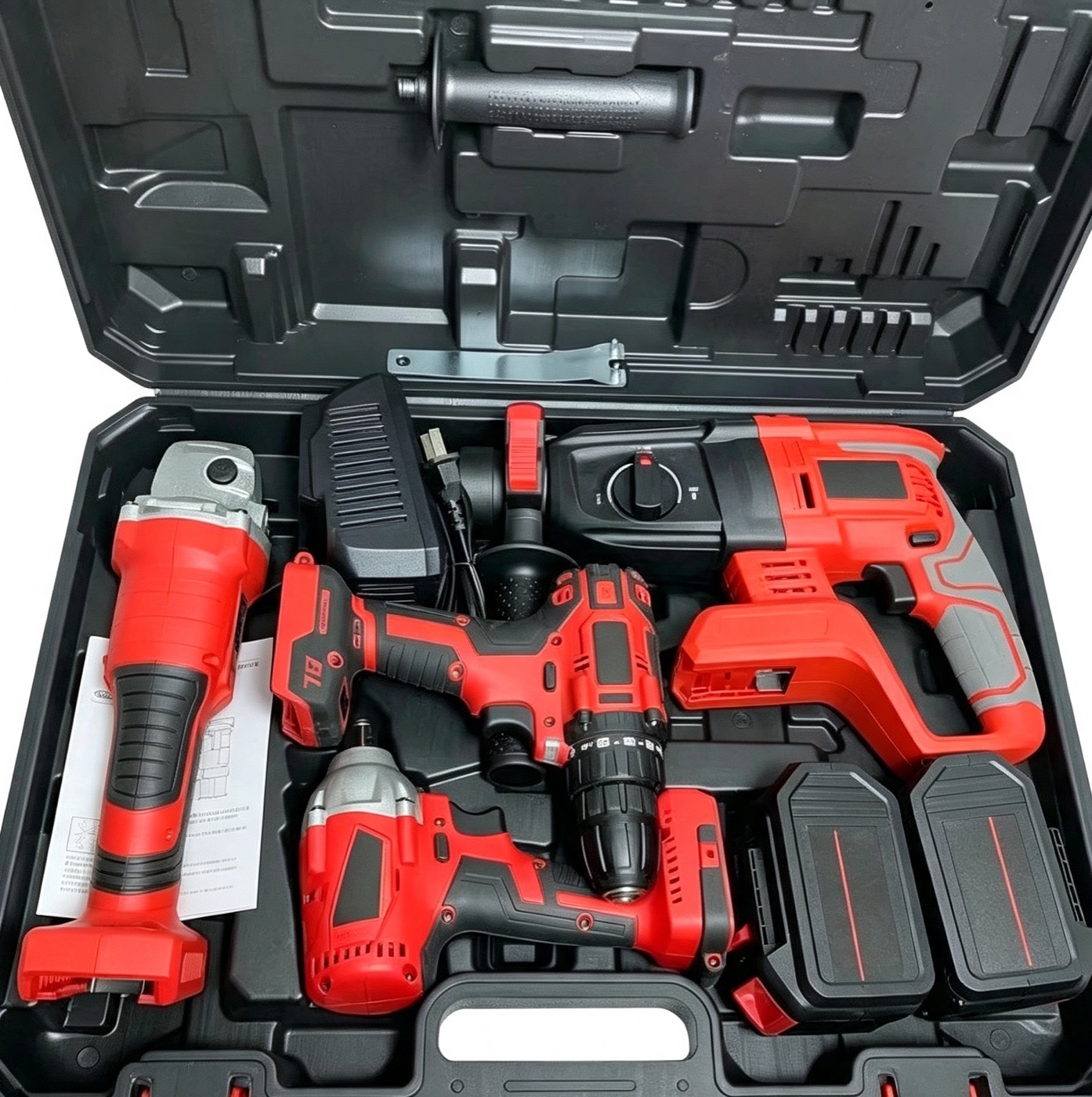
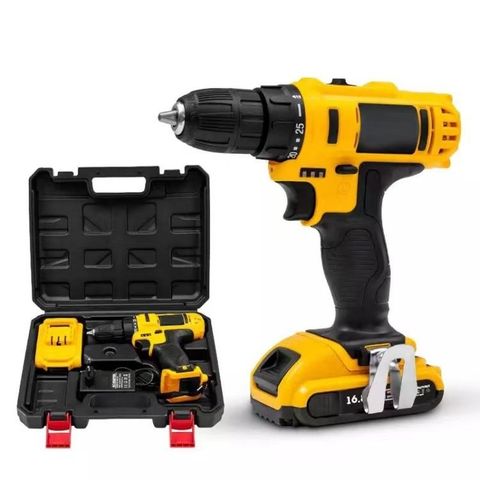
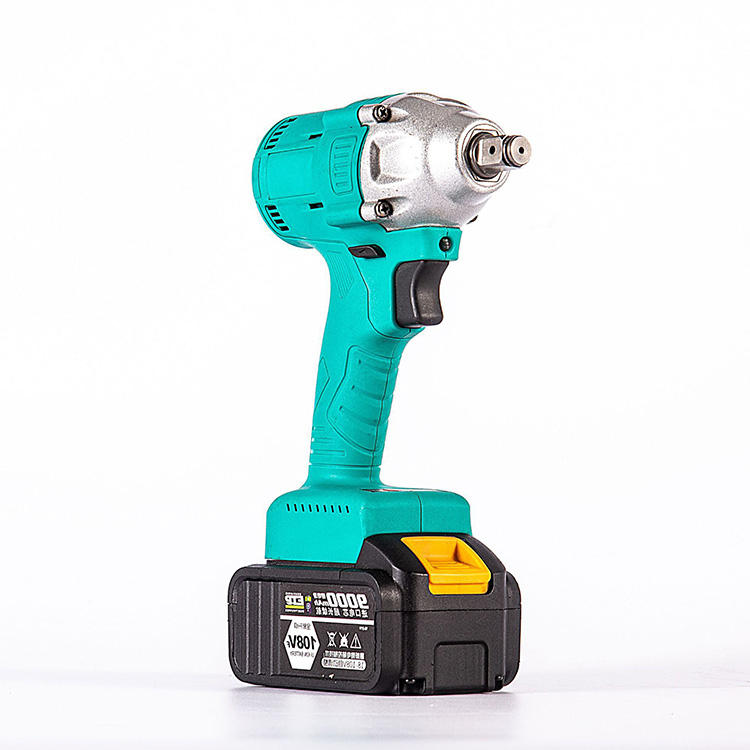
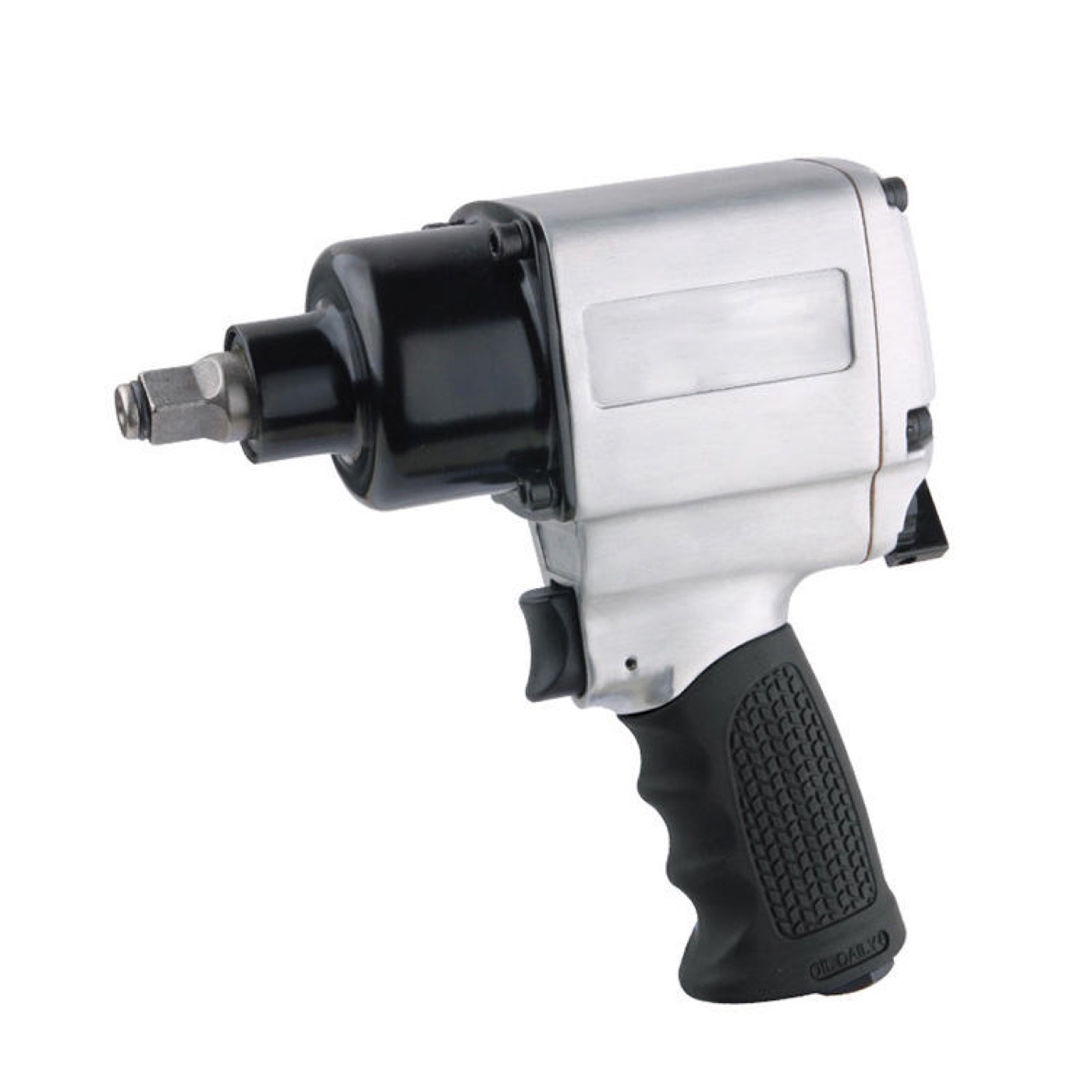
A practical starting point is to look at how much of the range is already offered as customisable. Platforms such as the 4pcs in 1 21V brushless cordless set at US$25-85 with an MOQ of one set, or the 21V brushless hammer drill at US$11.80-15 with a stated three-year warranty and an MOQ of one set, are built to be branded rather than designed from scratch. An ODM base such as the cordless impact wrench at US$10.50-20, MOQ one set, lets you test market response before committing tooling budget to a design of your own.
What to settle in writing
Whichever route you take, four points belong in the agreement rather than in an email thread: who owns the tooling, whether the platform is exclusive to you and for which markets, who pays for certification and re-testing after a design change, and what the minimum order quantity is for the second and third order rather than only the first. Buyers who settle those four points before paying a deposit avoid most of the disputes that make private-label tool programmes expensive.